20+ Procurement Savings Ideas For 2026 That Actually Work

Indirect procurement still holds 10 to 15% in annual savings potential for most organizations, according to McKinsey research. This guide breaks down 28 specific procurement savings ideas across SaaS, cloud, telecom, shipping, payments, MRO, and more, each with a playbook, realistic benchmarks, timelines, and the pitfalls that vendors won't mention. New sections on category management, strategic sourcing, supplier collaboration, total cost of ownership analysis, and ESG aligned sourcing round out the picture. Whether you're in procurement, IT, or finance, these plays are prioritized for near term impact in North America through 2026.
Organizations can achieve 10% to 25% annual savings in indirect procurement by focusing on three pillars: SaaS renewal benchmarking (15 to 25% savings), Cloud FinOps optimization (up to 70% savings), and eliminating maverick spend (reducing leakage by 58%). The fastest ROI comes from automated parcel audits and enforcing duplex printing, which yield results within 30 days. Layering in category management, supplier collaboration, and total cost of ownership analysis turns one time wins into sustained, compounding savings.
Why Procurement Savings Still Exist in 2026
Cost reduction has re emerged as procurement's top priority. A Hackett Group survey found that "Digital World Class" procurement organizations deliver nearly 2x the spend reduction impact and 2.5x ROI compared to peers source. The opportunity isn't shrinking. It's growing, because most indirect spend categories remain under managed.
McKinsey pegs the savings potential of coordinated, tech enabled indirect procurement at 10 to 25% on product and service costs, with 1 to 2 percentage points of return on sales improvement and as much as 15x ROI on indirect sourcing teams.
The gap between "identified savings" and "realized savings" is where money disappears. Leaders average 91% process compliance versus 74% for peers, and they see 57 to 58% less savings lost to rogue buying when governance and monitoring improve.
This article gives you 28 concrete procurement savings ideas, organized by category, with the math, timing, and traps for each. These aren't theoretical. They're built from analyst research, practitioner experience, and real benchmarks you can bring to your next budget review.
Programs like Varisource's free savings program exist specifically to close the execution gap, combining group buying discounts, rebates, SKU level benchmark data (50M+ data points), and done for you negotiation support across 300+ indirect categories. But you don't need any particular tool to start. You need the right plays.
At a Glance: 28 Procurement Savings Ideas Compared
#
Savings Idea
Category
Typical Savings Range
Time to Impact
Primary Owner
Key Risk
1
SaaS renewal benchmarking
Software
15 to 25% off list; 20 to 40% seat reduction
30 to 90 days
Procurement + IT
Missed notice windows
2
Cloud Savings Plans / RIs
Cloud
Up to 66 to 72% vs. on demand
14 to 60 days
IT/FinOps + Procurement
Overcommitting on spiky workloads
3
SD WAN + broadband mix
Telecom
20 to 60% vs. pure MPLS
90 to 180 days
IT + Procurement
Stability at critical sites
4
Parcel audit and DIM fixes
Shipping
3 to 5% recovery; 20 to 30% DIM reduction
30 to 60 days
Logistics + Procurement
Underestimating true GRI impact
5
Interchange optimization (Level 2/3)
Payments
20 to 45 bps on eligible B2B cards
30 to 60 days
Finance + Procurement
Incomplete data forfeits savings
6
Auto renew trap elimination
Contracts
High (avoidance)
14 to 30 days
Procurement + Legal
State law enforceability varies
7
MRO consolidation and VMI
MRO
12 to 20%+
60 to 180 days
Ops + Procurement
Change management at sites
8
Group purchasing (GPO)
Office / Facilities
Varies by SKU
14 to 30 days
Procurement
Validate net landed, not list
9
Tail spend 3 bid automation
Multiple
10 to 12% via consolidation
60 to 90 days
Procurement
Compliance adoption
10
Print defaults and device rationalization
Office
10 to 50% paper reduction
7 to 14 days
IT + Facilities
Minimal
11
T&E compliance tightening
Travel
Medium
30 to 60 days
Finance + Procurement
User pushback
12
Early pay and dynamic discounting
AP/Finance
$4 to $8/invoice processing savings
30 to 90 days
Finance
Cash flow timing
13
Insurance re marketing
Insurance
Varies by line
90 to 180 days
Finance + Procurement
Casualty lines still rising
14
Payment terms and seasonal calendarizing
Working capital
Medium
30 to 60 days
Finance + Procurement
Supplier relationship strain
15
Design to value / spec simplification
Packaging / Print
Medium high
60 to 120 days
Procurement + Ops
Requires cross functional buy in
16
Telecom voice / SIP cleanup
Telecom
Medium
30 to 90 days
IT + Procurement
Legacy system dependencies
17
Parcel mode mix and PUDO
Shipping
Medium
30 to 60 days
Logistics
Customer experience tradeoffs
18
Renewal readiness quarterly ritual
Contracts
High (avoidance + capture)
14 to 30 days
Procurement
Ownership must be clear
19
Professional services rate card reset
Consulting
Medium high
90 to 180 days
Procurement
Incumbent relationship politics
20
Maverick spend reduction
Governance
57 to 58% less savings leakage
60 to 90 days
Procurement + Finance
Requires UX investment
1
Category management framework
Strategy
5 to 15% across managed categories
90 to 180 days
Procurement
Requires data maturity
2
Supplier collaboration programs
Relationships
3 to 10% through joint value creation
60 to 180 days
Procurement + Ops
Trust building takes time
3
Strategic sourcing discipline
Sourcing
10 to 20% on first wave categories
90 to 180 days
Procurement
Cross functional coordination
4
Total cost of ownership analysis
Analysis
Varies widely
30 to 90 days
Procurement + Finance
Data collection effort
5
ESG aligned sourcing
Sustainability
Cost neutral to 5% premium offset
90 to 360 days
Procurement + Sustainability
Greenwashing risk
6
Procurement cost audit
Governance
5 to 12% recovery on audited spend
30 to 60 days
Finance + Procurement
Internal political friction
7
Supplier performance management
Relationships
Medium high (avoidance + quality)
60 to 180 days
Procurement + Ops
Scorecard fatigue
8
Risk adjusted sourcing
Risk
High (avoidance)
90 to 180 days
Procurement + Legal
Overweighting risk vs. cost
20 Procurement Savings Ideas
1. Fight SaaS Renewal Inflation with Benchmarks and an Early Runway
Best for: Procurement and IT teams managing 20+ SaaS contracts with upcoming renewals.
Enterprise SaaS price increases have outpaced general inflation, and many buyers face above inflation uplifts in 2024 through 2026 unless they push back with data and timing source.
How to do it:
What good looks like: 15 to 25% off list pricing with basic competition; 20 to 40% license count reductions through utilization cleanup. For a step by step walkthrough, see this SaaS renewal checklist.
Pitfalls: Missed notice windows are the silent killer. Watch for shrinkflation too, where vendors remove features or add usage caps between renewal cycles. Track auto renew dates and escalation clauses centrally.
Practitioners on Reddit's r/procurement report that renewals increasingly get to the procurement team too late for meaningful negotiation. One thread noted that the real fix is earlier stakeholder engagement and building "proof packs" with usage data before the vendor's rep even calls source. Others on r/CustomerSuccess observed that renewals are now being treated like fresh evaluations, where proof of outcomes matters more than the existing relationship.
Varisource's IT and SaaS savings program provides SKU level benchmarks drawn from 50M+ data points plus negotiation and quoting support, helping teams run this play without building the data infrastructure from scratch. Savings are typically realized in under 30 days.
2. Lock in Cloud Savings Plans, Then Rightsize and Automate Coverage
Best for: FinOps and IT teams running steady state AWS, Azure, or GCP workloads.
AWS Savings Plans and Reserved Instances can deliver steep discounts on predictable compute, but buyers frequently under capture discounts as usage drifts over time.
How to do it:
What good looks like: Up to 66 to 72% savings versus on demand pricing at maximum commitment levels.
Pitfalls: Overcommitting during spiky periods locks you into unused reservations. One practitioner on r/aws cautioned that skipping Savings Plans on steady workloads is likely overpaying by 30 to 40%, but the inverse, overcommitting during a growth phase, creates its own waste source. Automate coverage checks and set quarterly reviews.
3. Recut WAN and Telecom with SD WAN and Broadband Mixes
Best for: IT and procurement teams managing multi site WANs with legacy MPLS contracts.
MPLS only architectures are rarely cost optimal anymore. SD WAN blends direct internet access, broadband, and LTE for both cost reduction and resiliency, but the savings depend heavily on site criticality.
How to do it:
What good looks like: Analyst and vendor ranges cite 20 to 70% savings versus pure MPLS when right sized, with specific scenarios showing 30 to 60% on branch TCO source.
Pitfalls: Practitioners on r/telecom stress that not every site should cut MPLS. Stability matters at high criticality locations, and savings can evaporate if backhauled SASE traffic forces expensive upgrades downstream.
4. Counter Parcel GRIs with Contract Re Rates, Surcharge Audits, and DIM Fixes
Best for: Logistics and procurement teams shipping 500+ parcels per week through UPS or FedEx.
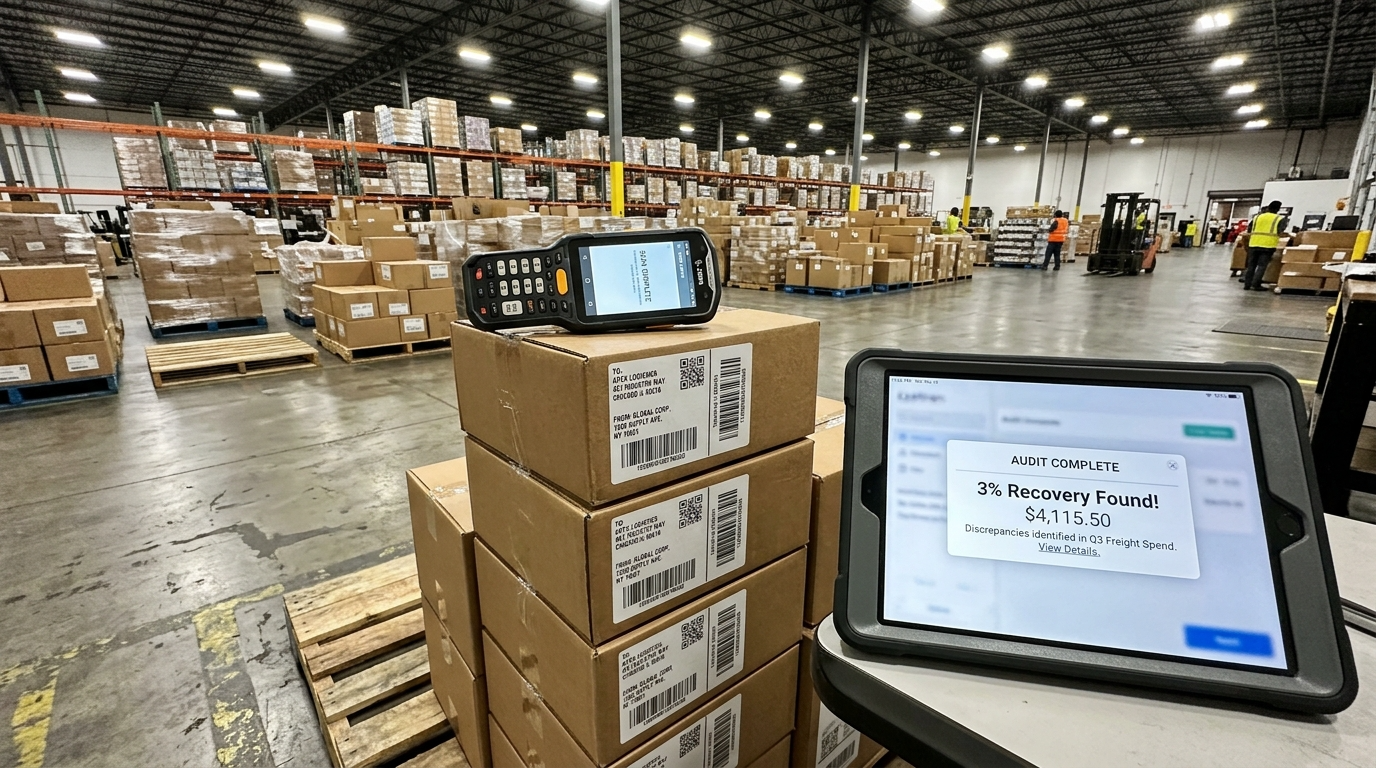
UPS and FedEx 2026 general rate increases average 5.9%, but the effective impact is often much higher once surcharge expansions and accessorial changes apply source.
How to do it:
What good looks like: Audits commonly recover 3 to 5% in overcharges; DIM optimization can reduce chargeable weight 20 to 30% on bulky items.
Pitfalls: The headline "5.9% average GRI" often masks 10 to 20% true invoice impact once surcharges expand. Model true landed costs, not just base rate changes. One Reddit user on a shipping focused thread noted that roughly 2 to 5% of parcel invoices contain recoverable errors, making line item audits a consistent source of found money.
5. Cut Card Processing Costs via Interchange Plus and Level 2/3 Data
Best for: Finance teams processing significant B2B card volume (corporate, purchasing, or government cards).
In B2B transactions, passing enhanced data (Level 2 and Level 3 fields) unlocks lower interchange tiers. Some card networks changed programs in 2025 and 2026, raising the stakes for correct data submission.
How to do it:
What good looks like: 20 to 45 basis points (0.20 to 0.45%) effective savings on eligible corporate and purchasing card transactions.
Pitfalls: Visa's Commercial Enhanced Data Program (CEDP) requires accurate, complete data to realize credits. Incomplete fields forfeit savings entirely. This is one procurement savings idea where finance teams need to own the data quality layer.
6. Eliminate SaaS Auto Renew Traps and Cap Escalators
Best for: Any organization with 50+ vendor contracts containing evergreen renewal clauses.
Evergreen clauses paired with 30 to 90 day notice windows quietly lock in price hikes year after year. Many teams miss windows simply because no one owns the tracking. Knowing which contract red flags to watch for makes a significant difference.
How to do it:
What good looks like: Full visibility into every renewal window, zero missed notice deadlines, and escalators capped contractually.
Pitfalls: Practitioners on r/SaaS note that contract tracking typically breaks at the ownership and data capture layer, not at the reminder layer. Reminders without accurate clause extraction are just noise. State level auto renewal laws also vary, so legal review matters.
7. Consolidate MRO Suppliers and Deploy VMI or On Site Storerooms
Best for: Operations and procurement teams at companies with multiple facilities and fragmented MRO purchasing.
MRO fragmentation drives dead stock, emergency expediting fees, and process waste. Vendor managed inventory (VMI) with on site integrators can reduce both inventory levels and unit costs simultaneously.
How to do it:
What good looks like: Case studies document 12 to 20%+ annual savings, with multimillion dollar wins and significant inventory accuracy improvements.
Pitfalls: Site level change management is the real bottleneck. Maintenance teams resist new processes if the VMI partner doesn't maintain fill rates.
8. Use Group Purchasing for Office, Packaging, and Facility Supplies
Best for: Mid market organizations without the volume to command enterprise pricing on commodity indirects.
Aggregated volume through group purchasing organizations (GPOs) delivers immediate price advantages versus list or fragmented buys.
How to do it:
What good looks like: GPO savings claims vary widely by SKU, with some office supplies showing dramatic discounts. Treat claims as category dependent and validate against your actual purchase basket.
Pitfalls: "Up to 80% savings" headlines refer to specific items, not your whole basket. Always run a basket level comparison before committing. Varisource, for instance, stacks group buying discounts (from $80B+ in buying power) with rebates on renewals and new purchases, so the comparison should include all savings layers, not just unit price.
9. Attack Tail Spend with Light Touch 3 Bid Automation and Marketplaces
Best for: Procurement teams where transactions under $50K represent 20%+ of purchase orders but receive almost no sourcing attention.
Tail spend leaks value when unmanaged. Even lightweight sourcing structures and catalog based purchasing can lift compliance and price outcomes.
How to do it:
What good looks like: Leaders report 10 to 12% savings from analytics led SKU and vendor consolidation combined with structured sourcing.
Pitfalls: The procurement savings ideas that target tail spend only work if employees actually use the system. Poor UX kills adoption. Invest in the buying experience, not just the policy. A solid spend analysis is the prerequisite before building any automation here.
10. Standardize Printing Defaults and Rationalize Devices
Best for: IT and facilities teams at organizations with 100+ employees still running distributed print fleets.
This is the simplest procurement savings idea on the list. Setting duplex (double sided) and grayscale as defaults requires no behavior change and yields immediate paper and toner reductions.
How to do it:
What good looks like: Paper consumption drops 10 to 50% depending on the environment, with no capital investment required.
Pitfalls: Almost none. This is a free win. The only resistance comes from departments that insist on color defaults for client facing materials, which is easily handled with exception rules.
.
11. Tighten T&E Compliance to Reduce Leakage and Fares
Best for: Finance and procurement teams at companies where travel spend exceeds $500K annually and off tool bookings are common.
Enforcing bookings through managed channels captures negotiated rates and reduces off tool leakage, where employees book outside policy and forfeit corporate discounts.
How to do it:
What good looks like: Higher capture rates on negotiated hotel and air programs, fewer out of policy bookings, and cleaner data for future negotiations.
Pitfalls: Overly rigid policies create workarounds. Balance control with usability, and make the approved booking tool genuinely easier than going rogue.
12. Capture Early Pay Discounts and Dynamic Discounting
Best for: Finance teams with healthy cash positions and high invoice volumes.
AP automation lowers the cost per invoice and enables discount capture that manual processes miss. Dynamic discounting adds flexible yield by offering suppliers early payment in exchange for a sliding scale discount.
How to do it:
What good looks like: Top performers drive invoice processing costs near $2; manual processing runs $9 to $15+. E invoicing alone saves $4 to $8 per invoice in US benchmarks.
Pitfalls: Dynamic discounting only makes sense when your cost of capital is lower than the implied APR on the discount. Don't sacrifice cash flexibility for marginal returns.
13. Re Market Commercial Insurance Lines Selectively
Best for: Finance and procurement teams managing $250K+ in annual commercial insurance premiums.
Global commercial insurance rates fell approximately 4% in Q4 2025, with property lines falling more sharply while US casualty remained elevated in many segments.
How to do it:
What good looks like: Meaningful premium reductions on property and cyber; better EMR trending reduces workers' comp costs over 2 to 3 years.
Pitfalls: "Rates are falling" doesn't mean your lines are falling. Casualty and auto liability remain stubbornly elevated. Re market selectively and don't chase headline numbers without understanding your specific exposure.
14. Clean Up Payment Terms and Calendarize Seasonal Buys
Best for: Procurement and finance teams dealing with inconsistent payment terms and seasonal demand spikes that trigger expediting fees.
Unaligned payment terms erode working capital. Seasonal purchases made reactively instead of on a calendar spike expedite costs and weaken negotiating position.
How to do it:
What good looks like: Fewer emergency POs, better cash predictability, and stronger negotiating position on planned buys.
Pitfalls: Pushing payment terms too aggressively can strain small and mid size supplier relationships. Know which suppliers can absorb extended terms and which can't.
15. Apply Design to Value and Spec Simplification on Indirect Materials
Best for: Procurement and operations teams buying custom packaging, print materials, signage, or janitorial supplies.
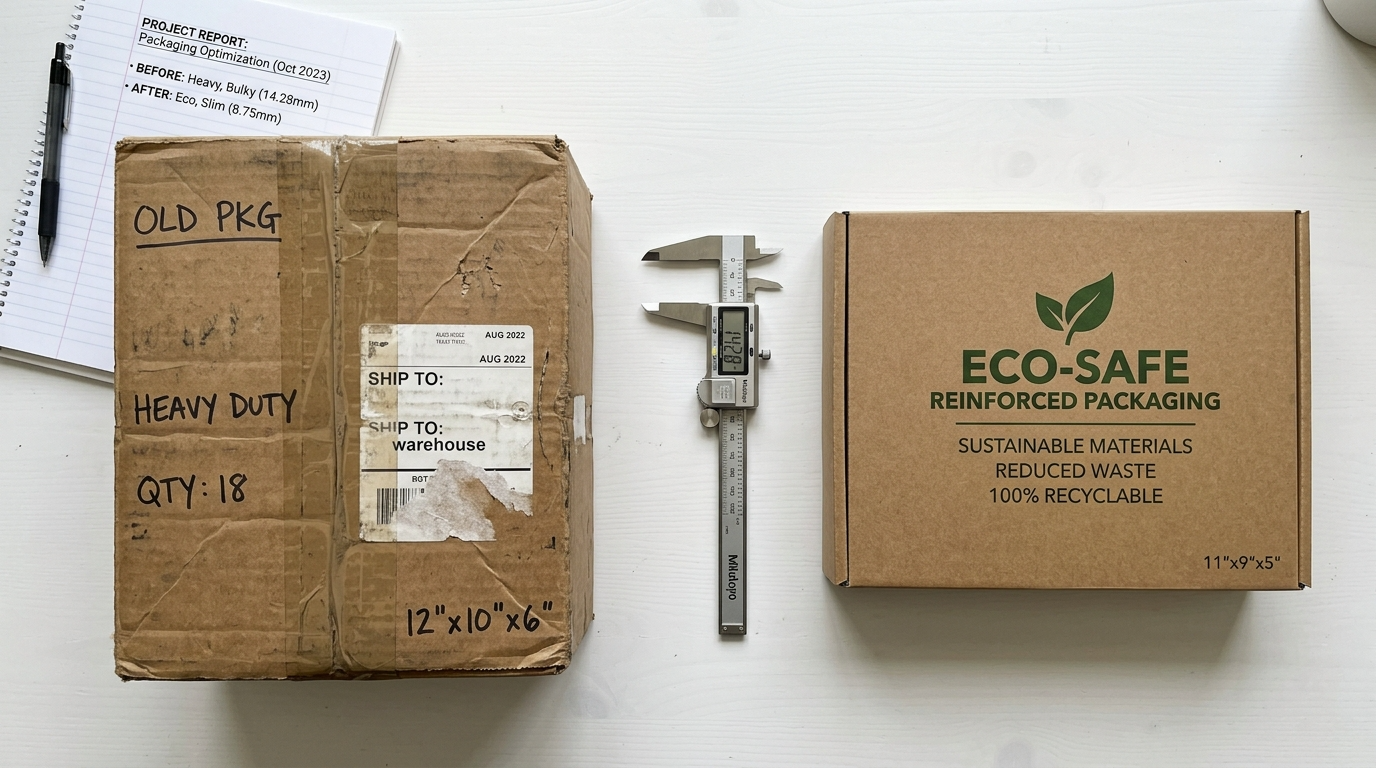
Simple spec redesigns, like changing a shopping bag's material or reducing packaging gauge, cut unit costs more effectively than rate negotiations alone. McKinsey highlights design to value as a key lever for indirect savings.
How to do it:
What good looks like: 10 to 30% unit cost reductions on targeted items, without supplier switching.
Pitfalls: Requires cross functional buy in. Marketing and operations need to agree on spec changes before procurement can execute.
16. Clean Up Telecom Voice with SIP Trunking and Contract Hygiene
Best for: IT teams still running legacy PRI bundles or overprovisioned SIP trunks.
Old voice infrastructure persists in many organizations. Overprovisioned trunks, idle DIDs, and legacy PRI bundles create monthly waste that's easy to find but often overlooked.
How to do it:
What good looks like: 20 to 40% reduction in monthly voice costs for organizations that haven't audited in 2+ years.
Pitfalls: Legacy systems (fax, alarm panels, elevator phones) sometimes depend on analog or PRI lines. Inventory dependencies before cutting circuits.
17. Optimize Parcel Mode Mix and Explore PUDO Networks
Best for: E commerce and distribution teams shipping high volumes of bulky or residential deliveries.
Residential surcharges and DIM weight are two of the biggest parcel cost drivers. Pickup and dropoff (PUDO) networks and package right sizing address both.
How to do it:
What good looks like: Lower DIM charges, fewer residential surcharges, and incremental last mile cost reduction.
Pitfalls: PUDO adoption depends on customer willingness. Start with incentive based opt in rather than mandatory changes.
18. Formalize Renewal Readiness as a Quarterly Ritual
Best for: Every organization with 30+ vendor contracts. This is the one procurement savings idea that makes all the others work.
The root cause of missed savings is rarely "we forgot." It's that nobody owns the data, the timeline, or the playbook for each renewal. Practitioners on Reddit describe this pattern clearly: the problem is ownership and data capture, not just calendar reminders.
How to do it:
What good looks like: Zero missed notice windows. Every renewal approached with usage data, benchmark pricing, and at least one competitive alternative.
Pitfalls: This ritual dies without executive sponsorship. Assign a single owner per contract and make renewal readiness a KPI.
19. Benchmark and Re Tier Professional Services and SOW Rates
Best for: Procurement teams managing $1M+ in annual consulting, staff augmentation, or managed services spend.
Rate cards drift upward unless challenged with market data and multi vendor competition. Most organizations negotiate rates at the start of a relationship and never revisit them.
How to do it:
What good looks like: 10 to 20% rate reductions on renewals; better alignment between what you pay and what you get.
Pitfalls: Relationship politics are real. Incumbent providers have allies inside your organization. Build the business case with data, not confrontation.
20. Educate Stakeholders on Maverick Spend's Real Cost and Close the Gaps
Best for: Procurement leaders trying to bridge the gap between identified and realized savings.
Maverick spend, purchasing that happens outside approved channels, directly erodes every savings initiative on this list. Organizations with better compliance infrastructure lose 57 to 58% less to rogue buying source.
How to do it:
What good looks like: Leaders achieve 91% process compliance versus 74% for peers. The difference isn't policy, it's UX and monitoring.
Pitfalls: Mandating compliance without fixing the buying experience creates resentment and workarounds. Invest in making the right path the easy path. Understanding the difference between cost savings and cost avoidance also helps stakeholders appreciate why compliance matters.
The Strategic Layer: 8 Procurement Savings Ideas That Compound Over Time
The first 20 ideas target specific categories and quick wins. The next eight are structural. They change how procurement operates, and they make every other savings initiative more effective.
1. Build a Category Management Framework
Best for: Procurement teams managing $5M+ in indirect spend who want to move beyond reactive sourcing.
Category management treats each spend area as a mini business, with its own market analysis, supplier strategy, and performance targets. Organizations that adopt formal category management consistently outperform those that negotiate deal by deal. McKinsey's research on indirect procurement transformation consistently names category management as the structural enabler behind sustained savings.
The approach requires grouping spend into logical categories (IT, facilities, professional services, logistics), assigning an owner to each, and building a category strategy that covers market dynamics, supplier options, and demand patterns. For a deeper walkthrough, this category management guide covers the process in detail.
What changes:
What good looks like: 5 to 15% savings across managed categories over the first 12 months, with a sustainable structure that prevents backsliding.
Pitfalls: Category management fails when it becomes a documentation exercise. The value comes from cross functional engagement and market intelligence, not from filling out templates. Practitioners on Reddit's r/procurement frequently note that the hardest part is getting business stakeholders to participate in category reviews rather than just approving POs.
2. Launch Supplier Collaboration Programs
Best for: Organizations with established supplier relationships where adversarial negotiation has hit diminishing returns.
Squeezing suppliers on price works until it doesn't. The next level of procurement savings comes from working with suppliers to remove waste from shared processes, co develop specifications, and align incentives around outcomes rather than inputs.
This doesn't mean holding hands and singing songs. It means structured programs where both parties share data, identify inefficiencies, and split the gains. Examples include joint demand forecasting to reduce safety stock, supplier led value engineering on packaging, and shared logistics to cut transportation costs.
What changes:
What good looks like: 3 to 10% additional savings through process improvements that neither party could achieve alone. Better fill rates, fewer quality escapes, and stronger relationships that survive market disruptions.
Pitfalls: Collaboration requires trust, and trust requires transparency. If procurement switches to "collaboration mode" while still running aggressive reverse auctions on the side, suppliers will notice. Pick your collaborative partners deliberately and protect those relationships.
3. Apply Strategic Sourcing Discipline to Under Managed Categories
Best for: Procurement teams that still source many categories reactively or through single vendor relationships.
Strategic sourcing is not the same as getting three quotes. It's a structured process: define the requirement, analyze the supply market, develop a sourcing strategy, select suppliers through competition, negotiate contracts, and manage performance post award. The distinction between strategic sourcing and procurement matters because many teams conflate the two and skip critical steps.
The categories with the biggest opportunity are usually the ones where "we've always used this vendor" is the primary justification. Professional services, managed IT, janitorial, and specialty logistics frequently fall into this bucket.
What changes:
What good looks like: 10 to 20% savings on first wave categories, with the process becoming repeatable across the portfolio. More importantly, strategic sourcing builds internal capability that compounds over multiple sourcing cycles.
Pitfalls: Strategic sourcing takes time and cross functional effort. Applying full sourcing methodology to every $5K purchase is a waste. Reserve it for categories where the spend justifies the investment and apply lighter touch approaches (like the 3 bid automation in Idea 9 above) for tail spend.
4. Run Total Cost of Ownership Analysis Before Major Purchases
Best for: Procurement and finance teams evaluating capital equipment, enterprise software, or outsourced service contracts.
Unit price is the most visible cost and the least reliable indicator of actual expense. Total cost of ownership (TCO) captures what you'll really pay: acquisition price plus implementation, maintenance, training, disposal, and opportunity costs.
A SaaS contract at $15 per seat might look cheaper than a $20 per seat alternative, but if it requires $200K in integration work and annual professional services, the total picture changes completely. The same logic applies to MRO equipment, fleet vehicles, managed services agreements, and telecom infrastructure.
How to do it:
What good looks like: Decisions shift toward lower lifecycle cost rather than lowest sticker price. Fewer surprise cost overruns. Better alignment between procurement and finance on what "savings" actually means.
Pitfalls: TCO analysis can become paralysis if you try to model every possible variable. Focus on the three to five cost drivers that actually move the needle for each category.
5. Integrate ESG Aligned Sourcing Into Category Strategies
Best for: Organizations with sustainability commitments or customers who require ESG transparency in the supply chain.
ESG aligned sourcing is not just a compliance checkbox. Done right, it reduces waste, lowers energy costs, and opens access to suppliers whose innovation pipeline is focused on efficiency. Done wrong, it adds cost and complexity without measurable benefit.
The practical approach is to embed ESG criteria into existing category strategies rather than creating a parallel process. When evaluating packaging suppliers, for example, include material recyclability and transport weight alongside unit price and lead time. When sourcing energy, evaluate renewable procurement options that may lock in lower long term rates.
What changes:
What good looks like: Cost neutral to slightly positive outcomes on most categories, with specific wins on energy, packaging weight reduction, and waste disposal costs. Some organizations find that ESG aligned suppliers offer better total value because they've already optimized for efficiency.
Pitfalls: Greenwashing risk is real, on both the buyer and supplier side. Require quantifiable data (carbon intensity per unit, recycled content percentage, labor audit results) rather than accepting vague sustainability statements. Also recognize that some categories simply don't have cost competitive sustainable alternatives yet. Be honest about where ESG adds value and where it's aspirational.
6. Conduct a Procurement Cost Audit Across Top Spend Categories
Best for: Organizations that haven't systematically reviewed indirect spend in 12+ months, or that suspect billing errors and contract non compliance.
A procurement cost audit isn't the same as a financial audit. It's a line by line review of what you're being charged versus what your contracts specify, what market rates look like, and where spending patterns suggest waste. This differs from spend analysis (which categorizes what you buy) by focusing specifically on overcharges, compliance gaps, and missed opportunities.
Common findings include invoices that don't match contracted rates, charges for services no longer rendered, duplicate payments across business units, and volume discounts that were never applied. Practitioners on LinkedIn frequently share that the first audit almost always uncovers 5 to 12% in recoverable overcharges, particularly in telecom, IT services, and facilities management.
How to do it:
What good looks like: 5 to 12% recovery on audited spend categories, plus corrected billing going forward. The audit pays for itself many times over.
Pitfalls: Audits can create internal friction if business unit owners feel they're being "caught" overspending. Frame it as a systems and vendor accuracy issue, not a blame exercise. Also, some vendors will push back on refund claims, so have contract documentation ready.
7. Implement Supplier Performance Management with Scorecards
Best for: Procurement teams managing 20+ strategic suppliers where performance directly affects operational outcomes.
Price savings mean nothing if the supplier delivers late, ships defective product, or requires constant hand holding. Supplier performance management (SPM) creates a structured way to measure, compare, and improve supplier outcomes across quality, delivery, responsiveness, and total cost.
The most effective SPM programs use balanced scorecards with 4 to 6 metrics, reviewed quarterly, with consequences tied to performance tiers. Top performers get more volume and longer contracts. Underperformers get improvement plans or replacement timelines.
What changes:
What good looks like: Fewer quality escapes, better on time delivery rates, and a data driven basis for supplier consolidation or expansion decisions. Organizations with mature SPM programs consistently report that the cost avoidance from prevented failures exceeds the hard dollar savings from negotiations.
Pitfalls: Scorecard fatigue is real. If you measure 30 things and review nothing, the program dies. Keep it simple: pick 4 to 6 metrics that actually matter, measure them consistently, and act on the results. For guidance on the right metrics, this supplier benchmarking guide covers practical approaches.
8. Build Risk Adjusted Sourcing Into High Impact Categories
Best for: Procurement teams sourcing from concentrated supply markets, single source dependencies, or geopolitically exposed regions.
Risk management in procurement is not about eliminating all risk. That's impossible and unaffordable. It's about understanding where concentration, dependency, or instability creates outsized exposure, and pricing that exposure into sourcing decisions.
A supplier offering 10% lower pricing but operating from a single facility in a flood zone isn't actually cheaper when you account for the probability and cost of disruption. Risk adjusted sourcing quantifies these tradeoffs.
How to do it:
What good looks like: Faster recovery from disruptions. Lower insurance costs for supply chain risk. Better sleep at night.
Pitfalls: Overweighting risk leads to over diversification, which fragments volume and weakens pricing leverage. Balance is everything. Not every category needs a dual source strategy, and not every risk justifies the cost of mitigation.
How to Stack These Levers: A 30/60/90 Day Plan
Running all 28 procurement savings ideas at once is a recipe for paralysis. Sequence them by time to impact and resource intensity.
Fast wins (first 30 days):
Medium term plays (60 to 90 days):
Longer horizon initiatives (90 to 180 days):
Varisource fits across all three phases, providing benchmark data and group buying discounts on the fast wins, negotiation support on the medium term plays, and ongoing renewal automation for the long game. Private equity operating teams often use this stacked approach across portfolio companies to capture savings at scale.
Measurement and Governance: From Identified to Realized
Identifying savings is the easy part. Realizing them is where most procurement teams struggle.
Track these metrics:
Build a monthly savings review that covers what was identified, what was realized, what leaked, and why. This review is the accountability mechanism that turns procurement savings ideas from slide decks into budget line items.
Get Your Free Savings Estimate
If this list feels overwhelming, start with data. Varisource offers a free Savings Estimate Report, typically delivered within 48 hours, that benchmarks your current vendor spend against 50M+ data points and 50K+ vendor discounts across 300+ indirect categories. There's no upfront cost, and the shared savings model means you only pay when savings are actually achieved.
Most organizations see first savings in under 30 days.
Request your free Savings Estimate Report and find out where your biggest procurement savings opportunities are hiding.
FAQ
How much can procurement savings ideas realistically save?
McKinsey research indicates that coordinated, tech enabled indirect procurement can reduce costs by 10 to 25%, with 1 to 2 percentage points of return on sales improvement. The actual number depends on your starting maturity, category mix, and execution discipline. Organizations that have never formally managed indirect spend tend to see the largest first year gains.
What's the difference between cost savings and cost avoidance in procurement?
Cost savings reduce actual spend compared to a prior baseline (you paid $100, now you pay $80). Cost avoidance prevents a future increase (the vendor wanted $120, you negotiated $100). Both matter, but CFOs often weight hard savings more heavily in budget planning. Understanding this distinction is critical for reporting credibility.
Which procurement savings ideas deliver the fastest results?
SaaS renewal benchmarking, cloud Savings Plan reviews, parcel invoice audits, auto renew trap elimination, procurement cost audits, and printing default changes can all deliver measurable results within 30 days. These require minimal capital investment and relatively low organizational change management.
How do I convince stakeholders that procurement savings are real?
Lead with benchmarks and category specific math, not vague percentages. Show usage data that proves shelfware exists. Present competitive quotes that demonstrate market price. Track realized savings monthly and publish results. The 15x ROI on indirect sourcing teams cited by McKinsey is a powerful data point for executive buy in.
What is maverick spend and why does it matter for procurement savings?
Maverick spend is purchasing that happens outside approved channels and contracts. It directly erodes negotiated savings because suppliers fulfill orders at non contracted rates. Research shows that leaders with strong governance lose 57 to 58% less savings to rogue buying compared to organizations with weak compliance.
Can a group purchasing organization (GPO) work for mid market companies?
Yes, and mid market companies often benefit more than enterprises because they lack the standalone volume to command top tier pricing. GPOs aggregate demand across members, and platforms like Varisource stack group buying discounts with rebates and benchmark data to create multiple savings layers on the same purchase.
How often should procurement teams review vendor contracts for savings?
Quarterly is the minimum cadence for high value contracts. Each review should cover upcoming renewals (90/60/30 day windows), usage trends, market benchmarks, and escalation clause triggers. Organizations that treat this as a standing ritual consistently outperform those that react to renewals as they arrive.
What procurement savings ideas are most commonly overlooked?
Parcel invoice auditing, payments interchange optimization (Level 2/3 data), insurance re marketing, SIP trunk cleanup, and procurement cost audits are among the most overlooked. These categories sit in operational blind spots between procurement, finance, and IT, so nobody owns them proactively. Together, they can represent millions in annual savings for mid market and enterprise organizations.
What role does category management play in procurement savings?
Category management is the structural foundation that makes individual savings tactics sustainable. Without it, procurement teams chase one off wins that erode over time. With it, each spend area has an owner, a strategy, and performance targets that compound savings year over year.
How does total cost of ownership analysis change purchasing decisions?
TCO analysis shifts the focus from unit price to lifecycle cost, capturing implementation, maintenance, training, and disposal expenses. Organizations that adopt TCO based evaluation consistently make better sourcing decisions and avoid the "cheap upfront, expensive over time" trap that plagues unit price focused buying.
About the Author
.jpeg)
Victor Hou
Victor Hou is the founder of Varisource, the first ever Savings Automation Platform that automates Savings for Your Business. Victor helps companies access discounts, rebates, benchmark data, savings for renewals and new purchases across 100+ spend categories automatically to increase your company's margins and equity value by at least 15-20%. Victor is active and passionate about using AI + automation to help your business save time, money and run more efficiently.
%201.svg)

Varisource’s Savings Automation Platform guarantees savings and maximized leverage on every dollar spend across 100+ spend categories


