Spend Analysis in Procurement: 2026 Guide to 5-15% Savings

Spend analysis in procurement is the process of collecting, cleaning, classifying, and examining your organization’s purchasing data to understand where money goes, who you’re buying from, and where savings hide. External spend typically represents 60 to 80% of total revenue, and structured analysis regularly uncovers 5 to 15% in savings opportunities. The biggest blind spot for most organizations is indirect spend, where over 80% of procurement leaders admit they lack proper visibility. This guide covers the full process, key metrics, common pitfalls, and how AI is shifting spend analysis from a backward-looking report into a forward-looking action engine.
What is the typical savings from spend analysis? A structured spend analysis typically uncovers 5% to 15% in total savings opportunities. By consolidating data from fragmented systems, organizations can identify maverick spend (usually 20-40% of total spend) and improve contract compliance. Best-in-class procurement teams use AI-driven analysis to manage over 90% of total spend, compared to the industry average of 57%.
What Is Spend Analysis in Procurement?
Spend analysis in procurement is the systematic process of collecting, cleansing, classifying, and analyzing an organization’s purchasing data to answer three core questions: What are we buying? How much are we paying? Who are we buying from?
That sounds simple. It’s not.
The average company routes money through dozens of systems, hundreds of vendors, and thousands of line items. Purchase orders live in one system, invoices in another, contracts in a third. Different departments call the same vendor by different names. Category codes are inconsistent or missing entirely. Spend analysis cuts through this chaos to create a single, reliable picture of where every dollar goes.
This matters because external spend, meaning money paid to outside vendors and suppliers, accounts for 60 to 80% of total revenue in most businesses. That makes procurement spend the single largest controllable cost for most organizations. Yet the average company only manages 57.1% of its total spend through formal procurement processes. Best-in-class organizations manage 91.5%.
The gap between those two numbers represents millions in uncontrolled spending.
One important distinction: procurement spend analysis is not the same as financial budget variance tracking. Finance teams compare actuals to budget. Procurement spend analysis goes deeper, examining supplier concentration, category fragmentation, contract compliance, and pricing competitiveness. The goal isn’t just to know what you spent. It’s to know whether you spent it well, and where you can spend it better.
Why Spend Analysis Matters
The business case for spend analysis is straightforward and compelling.
Savings identification. Structured spend analysis typically reveals 5 to 15% savings opportunities across an organization’s spend base. For a company spending $50 million annually with vendors, that’s $2.5 million to $7.5 million in potential savings. And each new dollar brought under procurement management yields 6 to 12% in additional savings.
Compliance and contract enforcement. An estimated 20 to 40% of enterprise spend happens off-contract, meaning employees buy outside negotiated agreements. This maverick spending directly erodes the value of every deal your procurement team negotiates. Without spend analysis, you can’t even see it happening.
Negotiation power. When you walk into a supplier negotiation with clear data on your total spend, contract utilization rates, and market benchmarks, the conversation changes. Organizations supported by real-time benchmarking see 15 to 25% improvement in negotiation outcomes. If you’re exploring ways to boost your bottom line with spend analysis, the negotiation advantage alone justifies the effort.
Supplier rationalization. Most companies have far more suppliers than they need. Spend analysis reveals where consolidation makes sense, reducing administrative overhead while increasing volume-based pricing power.
Risk visibility. Concentration risk (too much spend with one supplier), geographic risk, and financial risk all become visible through spend analysis. You can’t manage what you can’t see.
The cost of not acting is real. According to a 2023 Globality survey, 82% of procurement leaders say their companies don’t manage spend efficiently. That’s not a small problem. IBM estimates that bad data alone costs the US economy $3.1 trillion annually.
Types of Spend Analysis
Not all spend analysis is the same. Different cuts of the data serve different purposes.
Direct Spend Analysis
Direct spend covers materials and components that go into your product or service. Manufacturing companies focus heavily here because direct materials often represent the largest single category. This type of analysis examines supplier pricing trends, volume commitments, and raw material cost fluctuations.
Indirect Spend Analysis
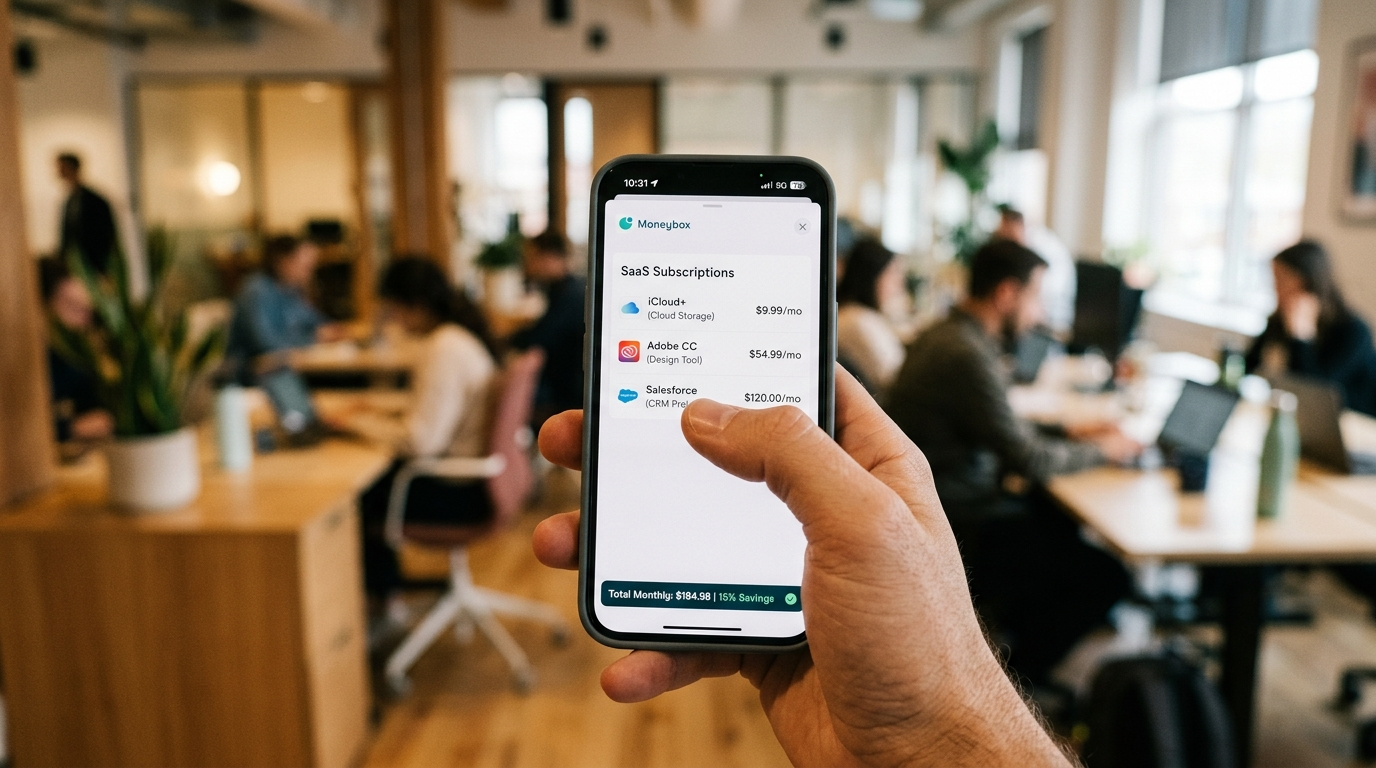
This is the biggest blind spot in most organizations. Indirect spend, which covers everything from software subscriptions and telecom to office supplies and consulting fees, typically represents 20 to 40% of total company expenses. Unlike direct spend managed by centralized procurement, indirect spend is scattered across departments. Marketing buys its own tools. IT manages its own contracts. Facilities handles its own vendors.
The result? Over 80% of procurement leaders admit indirect spend isn’t properly managed, according to a Globality survey. Data silos and lack of cross-department collaboration are the primary culprits.
Indirect spend analysis deserves special attention because the savings potential is often larger than expected. Omar Ghani, who led procurement at Reddit, pointed out that SaaS vendor margins can run 70 to 80%, creating a discount opportunity set that’s far wider than physical goods procurement. But capturing those savings requires benchmark data that most teams simply don’t have. For a closer look at tackling this category, check out these tips to improve SaaS spend management.
Direct vs. Indirect Spend: Key Differences
To clarify why organizations struggle more with indirect spend, consider these structural differences:
- Direct Spend: High volume, low supplier count, centralized control, raw materials.
- Indirect Spend: Low volume (per item), high supplier count, decentralized (marketing, IT, HR), services and OpEx.
- The "Savings Gap": While direct spend is often optimized to the penny, indirect spend offers "low-hanging fruit" where 20%+ savings are common through vendor consolidation.
Tail Spend Analysis
Tail spend covers the large number of small-value transactions that collectively add up to 10 to 20% of total spend but involve 80% of your suppliers. It’s the long tail of purchasing, often overlooked because individual transactions seem trivial. In aggregate, it’s anything but.
Supplier Spend Analysis
This view ranks vendors by total spend and examines concentration, payment terms, and performance. It answers a critical question: are we getting the best possible value from our top 20 suppliers?
Category Spend Analysis
Grouping spend by category (software, travel, telecommunications, professional services) reveals where category management strategies can drive better outcomes. Varisource covers 100+ indirect spend categories precisely because this category-level view so often reveals overlooked savings.
Contract Compliance Analysis
This analysis compares actual spending against contracted terms. Best-in-class organizations achieve 74.9% contract compliance versus an average of just 59.5%. Every percentage point of improvement means real savings captured rather than left on the table.
The Spend Analysis Process: 6 Steps
Step 1: Define Scope and Objectives
Start by answering what you’re trying to accomplish. Are you preparing for a sourcing event? Building a baseline for the first time? Trying to identify quick wins before budget season? The objective shapes everything that follows, from which data you need to how granular the classification should be.
Step 2: Collect and Consolidate Data
Gather spend data from every source: ERP systems, accounts payable, purchasing cards, expense management tools, and departmental purchase orders. The challenge is that this data lives in multiple systems and formats. Consolidation into a single dataset is essential but rarely straightforward.
A critical part of this step is getting a complete picture. If you only analyze spend from your procurement system, you’ll miss all the spending that happens outside it, which is precisely where the biggest problems hide. Good spend data management practices make everything downstream more effective.
Step 3: Cleanse and Normalize
This is where most spend analysis efforts stall. Vendor names are inconsistent (“Microsoft Corp,” “MSFT,” “Microsoft Inc.”). Categories are coded differently across systems. Duplicate entries and missing fields are everywhere.
Data cleansing involves normalizing vendor names, mapping spend to a standardized taxonomy (like UNSPSC), deduplicating records, and filling gaps. Over 85% of procurement leaders cite poor data quality as their number one barrier to effective analysis.
Here’s the crucial insight that practitioners consistently share: don’t wait for perfect data. A Sievo practitioner blog notes that initial spend analysis results regularly exceed expectations even when data quality is poor. The critical mistake is treating spend analysis as an IT data warehousing project instead of a procurement intelligence initiative. Starting with imperfect data kicks off a virtuous cycle where teams begin caring about source data quality because they can see the payoff.
Step 4: Classify and Segment
Once data is clean, classify every transaction by category, supplier, business unit, cost center, and any other dimension that supports your objectives. This is where the analytical value gets created. A well-classified spend cube lets you slice data in dozens of useful ways.
Step 5: Analyze and Identify Savings
Now you can finally ask the questions that matter. Where is spend concentrated? Which categories show the highest price variance? Where are we buying off-contract? Which suppliers have overlapping offerings? Where do contract renewals cluster?
Savings identification is 3 to 5 times faster with a structured spend analysis compared to ad hoc approaches.
Step 6: Operationalize and Repeat
Spend analysis isn’t a one-time project. The highest-performing procurement teams run continuous analysis, feeding insights into sourcing strategies, supplier negotiations, and budget planning. One practitioner example from a Tropic blog illustrates the danger of treating analysis as a one-off: a procurement director hit $1 million in Q4 savings, but when the CFO raised the Q1 target to $1.2 million, the team burned out delivering only $850K. The failure was committing to a savings goal without checking whether the spend pipeline (expiring contracts, new purchases) could support it. Spend analysis must feed savings forecasting, not just retrospective reporting.
Key Metrics and KPIs for Spend Analysis
Tracking the right metrics turns spend analysis from an interesting exercise into a management tool. Here are the ones that matter most.
Metric
Formula
Benchmark
Spend Under Management (SUM)
Managed Spend ÷ Total Addressable Spend × 100
Avg: 57.1%, Best-in-class: 91.5%
Cost Savings Rate
Savings Achieved ÷ Total Spend × 100
World-class: ~6%
Spend Under Contract
Contracted Spend ÷ Total Spend × 100
Best-in-class: 74.9%
Maverick Spend Rate
Off-Contract Spend ÷ Total Spend × 100
Target: Below 20%
Supplier Concentration
Top 10 Suppliers’ Spend ÷ Total Spend × 100
Varies by industry
Savings Pipeline Coverage
Identified Opportunities ÷ Savings Target × 100
2x to 3x target
Understanding the difference between cost savings and cost avoidance is critical when reporting these metrics. CFOs care about both, but they measure them differently. Hard savings hit the P&L. Cost avoidance prevents future spend increases. Your spend analysis should distinguish between the two.
Spend Analysis Maturity Model: 2026 Benchmarks
Feature
Level 1: Reactive
Level 2: Proactive
Level 3: AI-Augmented
Data Frequency
Annual / Ad-hoc
Monthly / Quarterly
Real-time / Continuous
Visibility
Direct Spend only
Direct + Indirect
360° (Direct, Indirect, Tail)
Tooling
Spreadsheets (Excel)
ERP / Business Intelligence
AI Agents / Predictive Analytics
Primary Goal
Historical Reporting
Cost Reduction
Predictive Sourcing & Risk Mit.
Compliance
< 50%
60-75%
> 90%
Common Challenges and How to Overcome Them
Poor Data Quality
The single most cited barrier to effective procurement spend analysis. Over 85% of organizations struggle with it. The solution isn’t to delay until data is perfect. Instead, start with your best available data, show results, and use the momentum to improve data hygiene over time.
Scattered Systems and Silos
When spend data lives across ERP, AP, procurement cards, expense tools, and departmental spreadsheets, consolidation is painful. Cloud-based tools and AI-powered extraction can automate much of this work. The key is establishing a single source of truth, even if it starts rough.
No Standardized Taxonomy
Without a consistent way to categorize spend, analysis is unreliable. Adopt a recognized taxonomy (UNSPSC is the most common) and map all historical data to it. This is tedious upfront work that pays dividends forever after.
Lack of Benchmark Data
This is the challenge that gets the least attention but may matter the most. Even perfect internal data only tells you what you spent. It doesn’t tell you whether you overpaid. Ghani, the procurement leader at Reddit, explained this dynamic clearly: a procurement professional juggling 500 daily tasks may only contact one or two peers for a reference price on a given vendor. External benchmark data transforms negotiations from guesswork into informed discussions.
Renewal Timing Blind Spots
Ghani also flagged a problem that undermines even the best spend analysis: if a renewal is due in two weeks, your negotiating position is already compromised. Spend analysis without proactive renewal tracking leaves significant savings on the table, particularly in SaaS and technology categories where auto-renewal traps are common. AI-powered procurement tools that include renewal reminders address this gap directly.
Organizational Resistance
Departments that control their own spending don’t always welcome centralized visibility. The best approach is to lead with value: show each stakeholder group what they gain from better spend analysis (faster purchasing, better prices, less busywork) rather than framing it as oversight.
Spend Analysis vs. Related Terms
These terms get used interchangeably, but they represent different things.
Spend analysis vs. spend reporting. Spend reporting is backward-looking: here’s what we spent last quarter. Spend analysis is interpretive: here’s what that spending pattern means for our sourcing strategy and where opportunities exist. One describes. The other prescribes.
Spend analysis vs. spend analytics. Spend analytics adds predictive and prescriptive capabilities on top of analysis. It’s the next maturity level, using statistical models and machine learning to forecast trends and recommend actions automatically. Most procurement teams should aim to get solid at analysis before investing in advanced analytics.
Spend analysis vs. spend management. Spend management is the broader discipline that includes policy, process, tools, and governance. Spend analysis is one component of spend management. You can learn more about driving business growth through spend management as a strategic function.
Spend analysis vs. cost analysis. Cost analysis examines the cost structure of a specific product or service (materials, labor, overhead, margin). Spend analysis looks at the full picture of organizational spending across all categories and suppliers.
How AI Is Changing Spend Analysis

AI is not a future trend in spend analysis. It’s happening now. According to Deloitte’s 2025 CPO Survey, 53.44% of Chief Procurement Officers rank spend analytics and dashboarding as their top generative AI use case. And 94% of procurement executives now use generative AI weekly, up 44 percentage points year over year.
The practical applications are already clear:
- Automatic classification. AI can categorize millions of spend transactions in minutes, a task that used to take weeks of manual work.
- Anomaly detection. Machine learning flags maverick spending, duplicate payments, and pricing outliers without human review.
- Savings identification. AI agents can scan spend data against benchmarks and immediately surface negotiation opportunities.
- Real-time analysis. Instead of quarterly spend reviews, AI enables continuous monitoring and alerts.
But there’s a maturity gap. While 49% of organizations are piloting AI in procurement, only 4% have achieved large-scale deployment. The distance between “piloting” and “operationalizing” is where most organizations get stuck.
This is exactly the gap that purpose-built AI agents are designed to close. Rather than requiring a full technology implementation, they sit on top of existing data and start generating insights immediately. Varisource’s approach, combining AI agents for savings identification, benchmarking, sourcing, and negotiation with hands-on execution support, represents the direction the market is moving: from analysis as a report to analysis as an action.
Putting Spend Analysis Into Action
Understanding spend analysis conceptually is one thing. Getting from raw data to actual savings is another. Here’s a practical path forward.
Start with a baseline. You need to know where you are before you can improve. Pull your accounts payable data for the last 12 months and get it classified, even roughly. Don’t wait for perfection.
Focus on high-impact indirect categories first. Software, cloud, telecom, and professional services tend to offer the largest savings percentages because pricing is opaque and vendor margins are high. These are also the categories where external benchmark data creates the most negotiation advantage.
Connect analysis to external benchmarks. Internal data shows what you paid. Benchmark data shows what you should pay. Without that comparison, spend analysis is just an expensive exercise in counting. Organizations with access to SKU-level pricing data from millions of transactions negotiate from a fundamentally different position.
Build in renewal tracking. The best analysis in the world is worthless if your contracts auto-renew before anyone acts on the findings. Integrate contract expiration dates into your analysis workflow and set alerts 90 to 120 days in advance.
Close the loop from insight to execution. Analysis should produce a prioritized savings pipeline, not just a dashboard. Each opportunity needs an owner, a timeline, and a clear path to capture.
For procurement teams that want to skip the months-long implementation cycle, Varisource offers a free Savings Estimate Report, typically delivered within 48 hours, that turns your AP spend file into actionable savings intelligence across 100+ indirect categories. The model combines AI-powered analysis with benchmark data from 50M+ data points and hands-on negotiation and execution support, so you move from insight to savings without building everything from scratch.
If you’re a finance leader or CFO trying to quantify the opportunity, that free assessment is the fastest way to get a concrete number in front of your leadership team.
Frequently Asked Questions
What is spend analysis in procurement?
Spend analysis in procurement is the process of collecting, cleansing, classifying, and analyzing an organization’s purchasing data to understand what’s being bought, how much is being paid, and who it’s being bought from. The goal is to identify savings opportunities, improve compliance, and make smarter sourcing decisions.
How much can spend analysis save?
Structured spend analysis typically uncovers 5 to 15% in savings opportunities. The actual capture rate depends on organizational maturity, negotiation capability, and access to market benchmark data. World-class procurement teams achieve roughly 6% savings on total managed spend annually.
What is the difference between spend analysis and spend analytics?
Spend analysis is interpretive, examining historical data to identify patterns and opportunities. Spend analytics is more advanced, using predictive models and machine learning to forecast trends and recommend specific actions. Think of analysis as “what happened and what it means” versus analytics as “what will happen and what to do about it.”
Why is indirect spend so hard to analyze?
Indirect spend is distributed across multiple departments, each with its own purchasing habits, preferred vendors, and systems. There’s no single owner, which creates data silos and inconsistent classification. Unlike direct materials managed by centralized procurement, indirect categories like software, consulting, and office supplies often fly under the radar entirely.
What is spend under management and why does it matter?
Spend under management (SUM) measures the percentage of total organizational spend that flows through formal procurement processes. The average is 57.1%, while best-in-class organizations manage 91.5%. Every dollar brought under management creates 6 to 12% in savings potential, making SUM one of the most important procurement KPIs.
How does AI improve spend analysis?
AI automates the most time-consuming parts of spend analysis: transaction classification, vendor name normalization, anomaly detection, and savings identification. It turns what used to be a quarterly manual effort into a continuous, real-time capability. Over half of CPOs now rank spend analytics as their top AI use case.
How often should you conduct a spend analysis?
At minimum, quarterly. Best-in-class organizations run continuous analysis with real-time dashboards and automated alerts. The key is building a repeatable process rather than treating it as an annual project. Continuous analysis catches savings opportunities and compliance issues before they compound.
What data do you need for spend analysis?
At a minimum, you need accounts payable transaction data including vendor names, amounts, dates, and category codes. Richer analysis incorporates purchase orders, contract terms, invoice line items, and expense report data. The more data sources you include, the more complete your spend visibility becomes.
{
"@context": "https://schema.org",
"@type": "FAQPage",
"@id": "#faq",
"mainEntity": [
{
"@type": "Question",
"@id": "#faq-question-1",
"name": "What is spend analysis in procurement?",
"acceptedAnswer": {
"@type": "Answer",
"text": "Spend analysis in procurement is the process of collecting, cleansing, classifying, and analyzing an organization's purchasing data to understand what's being bought, how much is being paid, and who it's being bought from. The goal is to identify savings opportunities, improve compliance, and make smarter sourcing decisions."
}
},
{
"@type": "Question",
"@id": "#faq-question-2",
"name": "How much can spend analysis save?",
"acceptedAnswer": {
"@type": "Answer",
"text": "Structured spend analysis typically uncovers 5 to 15% in savings opportunities. The actual capture rate depends on organizational maturity, negotiation capability, and access to market benchmark data. World-class procurement teams achieve roughly 6% savings on total managed spend annually."
}
},
{
"@type": "Question",
"@id": "#faq-question-3",
"name": "What is the difference between spend analysis and spend analytics?",
"acceptedAnswer": {
"@type": "Answer",
"text": "Spend analysis is interpretive, examining historical data to identify patterns and opportunities. Spend analytics is more advanced, using predictive models and machine learning to forecast trends and recommend specific actions. Think of analysis as \"what happened and what it means\" versus analytics as \"what will happen and what to do about it.\""
}
},
{
"@type": "Question",
"@id": "#faq-question-4",
"name": "Why is indirect spend so hard to analyze?",
"acceptedAnswer": {
"@type": "Answer",
"text": "Indirect spend is distributed across multiple departments, each with its own purchasing habits, preferred vendors, and systems. There's no single owner, which creates data silos and inconsistent classification. Unlike direct materials managed by centralized procurement, indirect categories like software, consulting, and office supplies often fly under the radar entirely."
}
},
{
"@type": "Question",
"@id": "#faq-question-5",
"name": "What is spend under management and why does it matter?",
"acceptedAnswer": {
"@type": "Answer",
"text": "Spend under management (SUM) measures the percentage of total organizational spend that flows through formal procurement processes. The average is 57.1%, while best-in-class organizations manage 91.5%. Every dollar brought under management creates 6 to 12% in savings potential, making SUM one of the most important procurement KPIs."
}
},
{
"@type": "Question",
"@id": "#faq-question-6",
"name": "How does AI improve spend analysis?",
"acceptedAnswer": {
"@type": "Answer",
"text": "AI automates the most time-consuming parts of spend analysis: transaction classification, vendor name normalization, anomaly detection, and savings identification. It turns what used to be a quarterly manual effort into a continuous, real-time capability. Over half of CPOs now rank spend analytics as their top AI use case."
}
},
{
"@type": "Question",
"@id": "#faq-question-7",
"name": "How often should you conduct a spend analysis?",
"acceptedAnswer": {
"@type": "Answer",
"text": "At minimum, quarterly. Best-in-class organizations run continuous analysis with real-time dashboards and automated alerts. The key is building a repeatable process rather than treating it as an annual project. Continuous analysis catches savings opportunities and compliance issues before they compound."
}
},
{
"@type": "Question",
"@id": "#faq-question-8",
"name": "What data do you need for spend analysis?",
"acceptedAnswer": {
"@type": "Answer",
"text": "At a minimum, you need accounts payable transaction data including vendor names, amounts, dates, and category codes. Richer analysis incorporates purchase orders, contract terms, invoice line items, and expense report data. The more data sources you include, the more complete your spend visibility becomes."
}
}
]
}
About the Author
.jpeg)
Victor Hou
Victor Hou is the founder of Varisource, the first ever Savings Automation Platform that automates Savings for Your Business. Victor helps companies access discounts, rebates, benchmark data, savings for renewals and new purchases across 100+ spend categories automatically to increase your company's margins and equity value by at least 15-20%. Victor is active and passionate about using AI + automation to help your business save time, money and run more efficiently.
%201.svg)

Varisource’s Savings Automation Platform guarantees savings and maximized leverage on every dollar spend across 100+ spend categories


