Top 7 SaaS Procurement Platform Picks for 2026 (Costs)

SaaS procurement platforms help companies cut software costs through benchmarking data, automated renewals, and negotiation support. Varisource stands out for teams that need savings beyond just SaaS, covering 100+ indirect spend categories with no upfront cost. Vertice (which now includes Vendr) and Tropic are strong picks for SaaS-heavy enterprises willing to pay $14,500 to $35,000+ per year. Zylo excels at portfolio visibility, Spendflo suits fast-growing mid-market companies, and Productiv is best for usage analytics. This guide includes real pricing, honest tradeoffs, and user feedback for every platform.
Why SaaS Procurement Platforms Matter in 2026
Software spending is climbing fast, but most of it is wasted. Organizations use only about 47% of their SaaS licenses, leading to waste of up to $21 million per company annually. At the same time, 79% of IT leaders experienced price increases at their last renewal, and CIOs report an average 8.9% cost bump on existing IT products, driven partly by vendors baking GenAI features into standard offerings.
The math is simple: companies are paying more for software while using less of it. A systematic procurement approach can reduce software spend by 20 to 30%.
That’s where a SaaS procurement platform comes in. These tools combine benchmarking data, renewal tracking, approval workflows, and negotiation support to give buyers leverage they don’t have on their own. The market for these solutions is projected to grow from $15 billion in 2025 to $50 billion by 2033 at an 18% CAGR.
But not all platforms are built the same. Some only handle SaaS. Others cover cloud infrastructure too. And a few tackle the full spectrum of indirect spend, from telecom and hardware to insurance and professional services. Choosing the wrong one means you’re still overpaying on half your vendor contracts.
Get a free savings estimate to see where your spend stands before evaluating platforms.
What Is a SaaS Procurement Platform?
A SaaS procurement platform is software (often paired with human expertise) that helps companies buy, renew, and manage software subscriptions more efficiently. Core capabilities typically include:
These platforms differ from traditional procure-to-pay suites like Coupa or SAP Ariba, which handle the entire purchasing lifecycle for all goods and services. SaaS procurement tools are narrower in scope but deeper in software-specific intelligence.
There are three main delivery models. Self-serve platforms give you the data and workflows to negotiate on your own. Managed services pair you with human buyers who negotiate on your behalf. Hybrid models combine AI procurement tools with expert support. Understanding which model fits your team’s capacity is the first major decision.
At-a-Glance Comparison Table
Platform
Starting Price
Best For
Benchmark Data
Negotiation Support
Category Scope
G2 Rating
No upfront cost (shared savings)
Broad indirect spend savings
50M+ data points
Done-for-you + AI agents
100+ categories
N/A
$35,000/yr
Mid-market to enterprise SaaS procurement
$75B spend managed
Expert buyers + AI agents
SaaS + Cloud
4.6/5 (372 reviews)
~$14,500/yr
Data-driven SaaS buying teams
$18B+ transaction data
Managed service + AI playbooks
SaaS-focused
4.5/5 (125+ reviews)
Custom (undisclosed)
Enterprise SaaS portfolio visibility
$75B+ managed spend
Optional add-on
SaaS management
4.8/5 (51 reviews)
Custom
Fast-growing SMBs and mid-market
1,500+ vendors
AI agents + expert buyers
SaaS + expanding indirect
4.6/5 (140 reviews)
Custom (free tier available)
IT usage analytics
Proprietary
None (self-serve)
SaaS only
4.6/5 (25 reviews)
Enterprise pricing
Global enterprise S2P suites
Broad procurement data
Full source-to-pay
All categories
4.2/5
1. Varisource
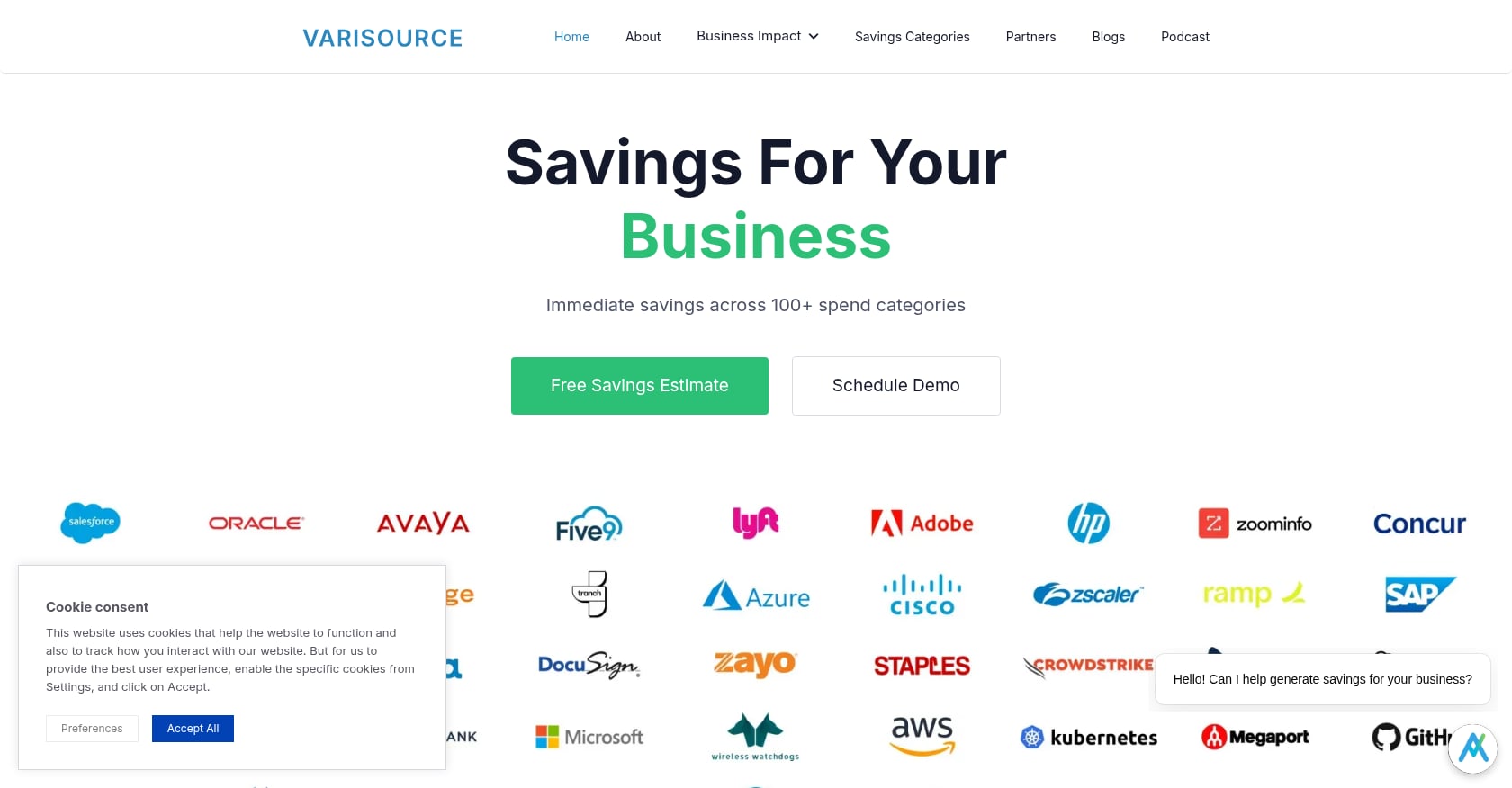
Best for: Mid-market and enterprise teams that need savings across all indirect spend, not just SaaS.
Pricing: No upfront cost. Varisource operates on a shared savings model, meaning you only pay when savings are actually achieved. A free Savings Estimate Report is typically delivered within 48 hours.
Key features:
Why it stands out: Every other platform on this list focuses primarily on SaaS, with some extending into cloud. Varisource covers the full spectrum of indirect spend. That matters because software is only part of the picture. Companies also overpay on telecom connectivity, hardware, payment processing fees, and dozens of other categories. Handling all of that through one program eliminates the need for multiple disconnected systems.
The no-upfront-cost model is also genuinely different. When competitors charge $35,000 to $80,000+ per year before you see a dollar in savings, the risk calculus changes significantly.
Tradeoffs:
Best fit: Organizations that want fast results (savings often realized in under 30 days) across multiple vendor categories, especially those without a large dedicated procurement team.
See all savings categories covered by Varisource.
2. Vertice (Includes Vendr)
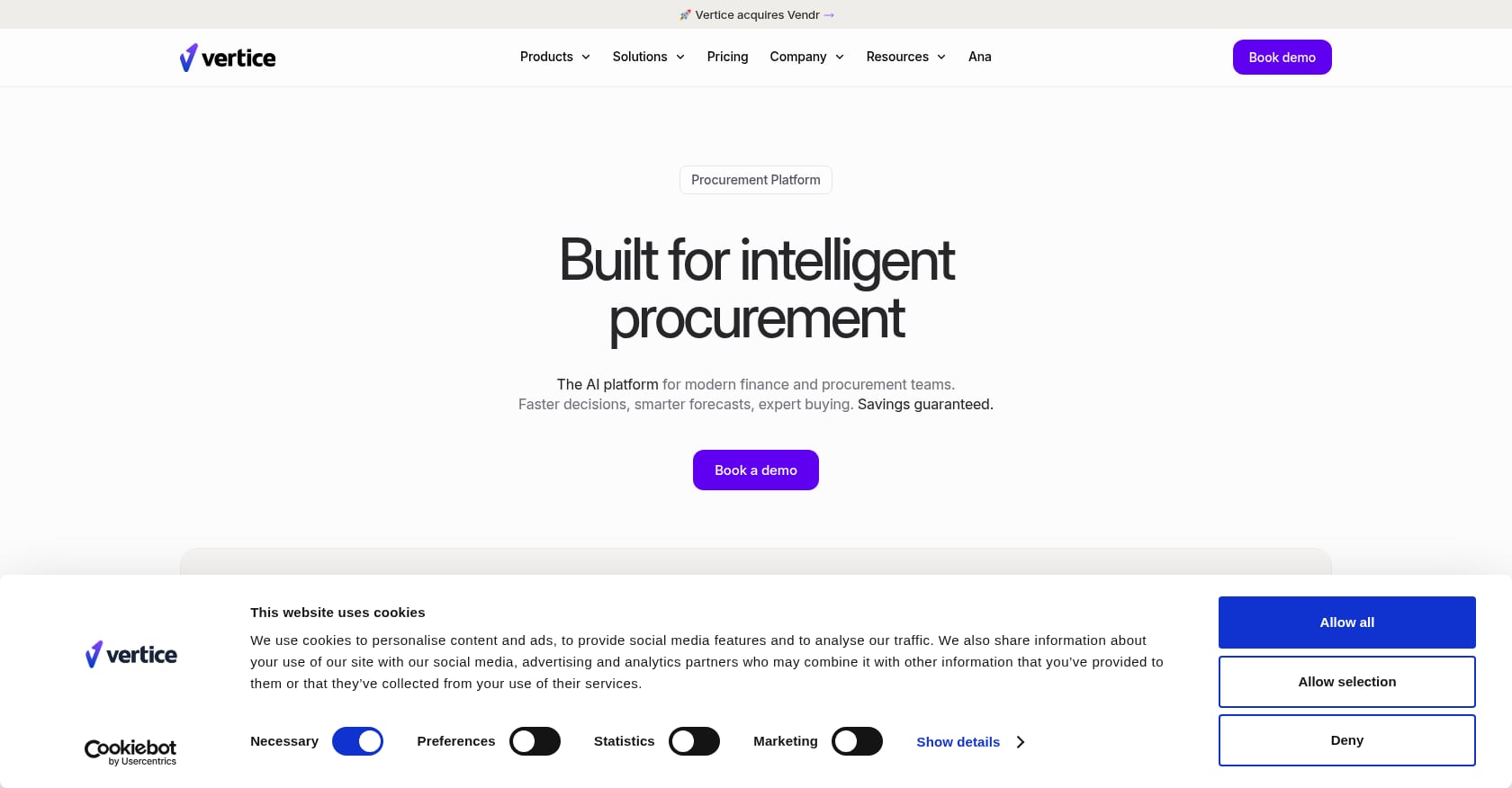
Best for: Mid-market to enterprise companies with heavy SaaS spend that want guaranteed savings and a white-glove service experience.
Pricing: Fixed annual subscription based on annual SaaS spend. Designed for companies with $500K or more in annual SaaS spend. Legacy Vendr pricing started at $35,000/year for companies under 250 employees, with G2-listed tiers at $36,000, $78,000, and $120,000 per year.
A major 2026 development: As of June 2026, Vendr is now part of Vertice. This merger combines Vendr’s benchmark data with Vertice’s platform, creating a combined dataset covering $75 billion in indirect spend across 32,000 vendors. Many competitor comparison articles haven’t caught up to this change yet.
Key features:
User sentiment: Users on G2 consistently praise the interface and proactive support team. One reviewer noted the platform “can feel a bit slow or laggy at times.” A Capterra reviewer of Vendr (pre-merger) commented that “Vendr is a solid software but competition is catching up and other tools are a better value for the price.”
Tradeoffs:
Best fit: Companies with $500K+ in annual SaaS spend, a budget for premium procurement services, and a primary need centered on software and cloud contracts.
3. Tropic
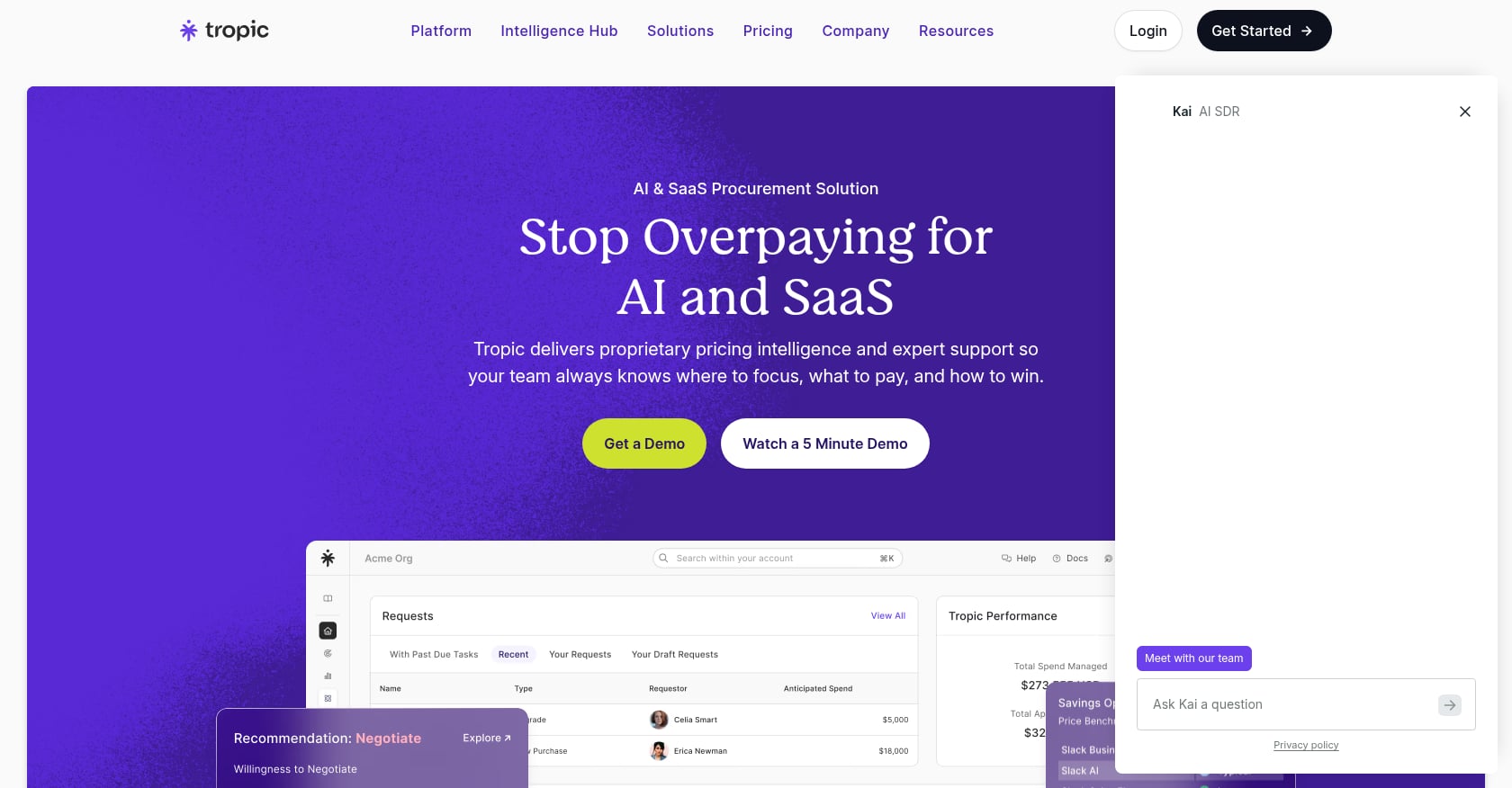
Best for: Data-driven SaaS buying teams that want deep benchmarking intelligence and managed negotiation support.
Pricing: Intake to Procure starts at approximately $14,500/year. Intelligent Spend Management starts at around $22,000/year. Pricing scales based on employee count, with monthly costs starting around $3,167.
Key features:
User sentiment: Users consistently praise the interface and responsive support. However, a G2 reviewer noted that “some smaller or niche suppliers are not yet represented in Tropic’s database, so expanding vendor coverage would enhance utility.” More pointedly, a Gartner reviewer wrote: “They haven’t been able to negotiate better prices than we did ourselves the few times I renewed licenses except one time.”
Tradeoffs:
Best fit: Organizations with $10M+ in annual SaaS spend that want a data-rich platform to support internal procurement teams.
4. Zylo
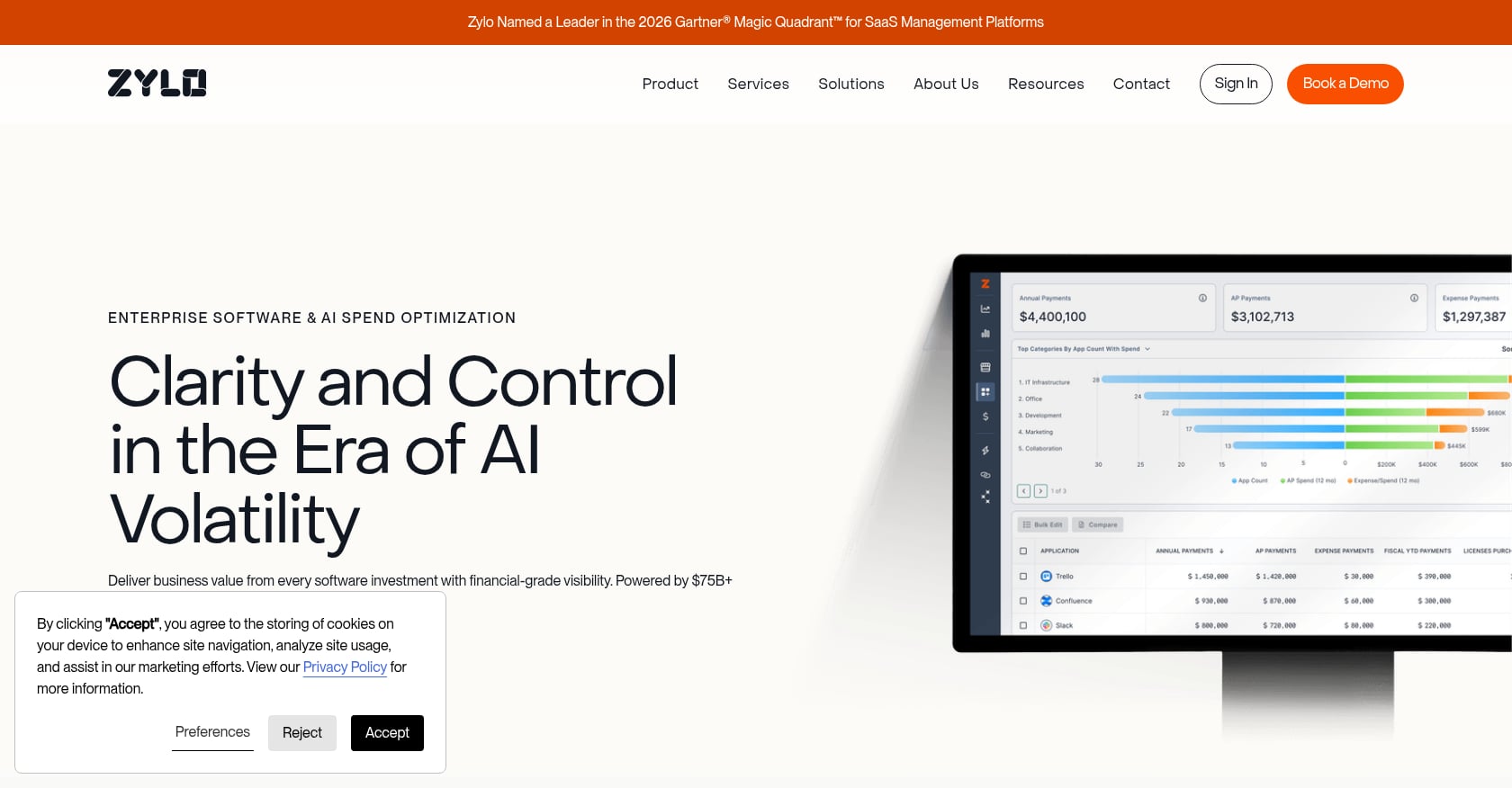
Best for: Enterprise IT teams managing large, decentralized SaaS portfolios that need visibility first and negotiation support second.
Pricing: Custom, based on employee count, annual SaaS spend, and selected add-ons. No public pricing is disclosed.
Key features:
IT now owns just 15% of SaaS spend, with the remaining 85% driven by lines of business and individual employees. Zylo is built specifically to address this decentralization problem. For more on managing enterprise SaaS costs effectively, consider pairing visibility tools with active negotiation programs.
User sentiment: Users praise Zylo’s ease of use and comprehensive reporting. However, practitioners on G2 report data hygiene issues due to the sheer volume of data Zylo processes, and some wish for more integrations and automation out of the box.
Tradeoffs:
Best fit: Large enterprises with sprawling SaaS portfolios that need to get their arms around what they own before they can start optimizing what they pay.
5. Spendflo
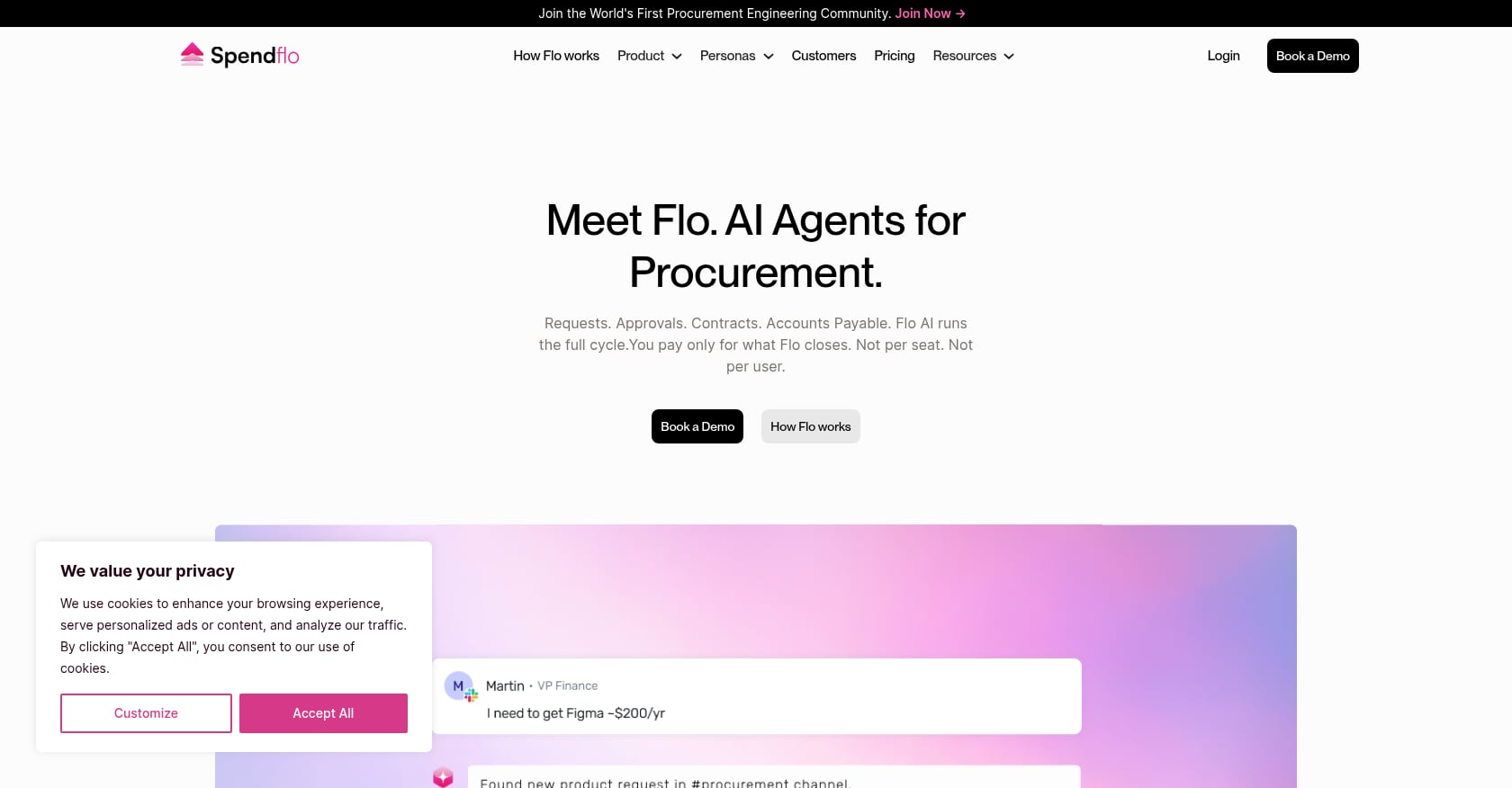
Best for: Fast-growing SMBs and mid-market companies looking for an AI-native intake-to-procure platform at a competitive price point.
Pricing: Custom. Used mostly by small businesses (47% of customers) and midsize businesses (44%), with just 9% enterprise adoption.
Key features:
User sentiment: One G2 reviewer noted: “Before onboarding, we were a bit skeptical of Spendflo claims, but their ‘Guaranteed Saving clause’ made it an easy decision.” On the other hand, another user reported “The TAT from the team was very delayed, no negotiation support towards renewals,” suggesting inconsistency in service quality.
Tradeoffs:
Best fit: Companies in growth mode (50 to 500 employees) that want to formalize their SaaS procurement process without enterprise-level pricing.
6. Productiv
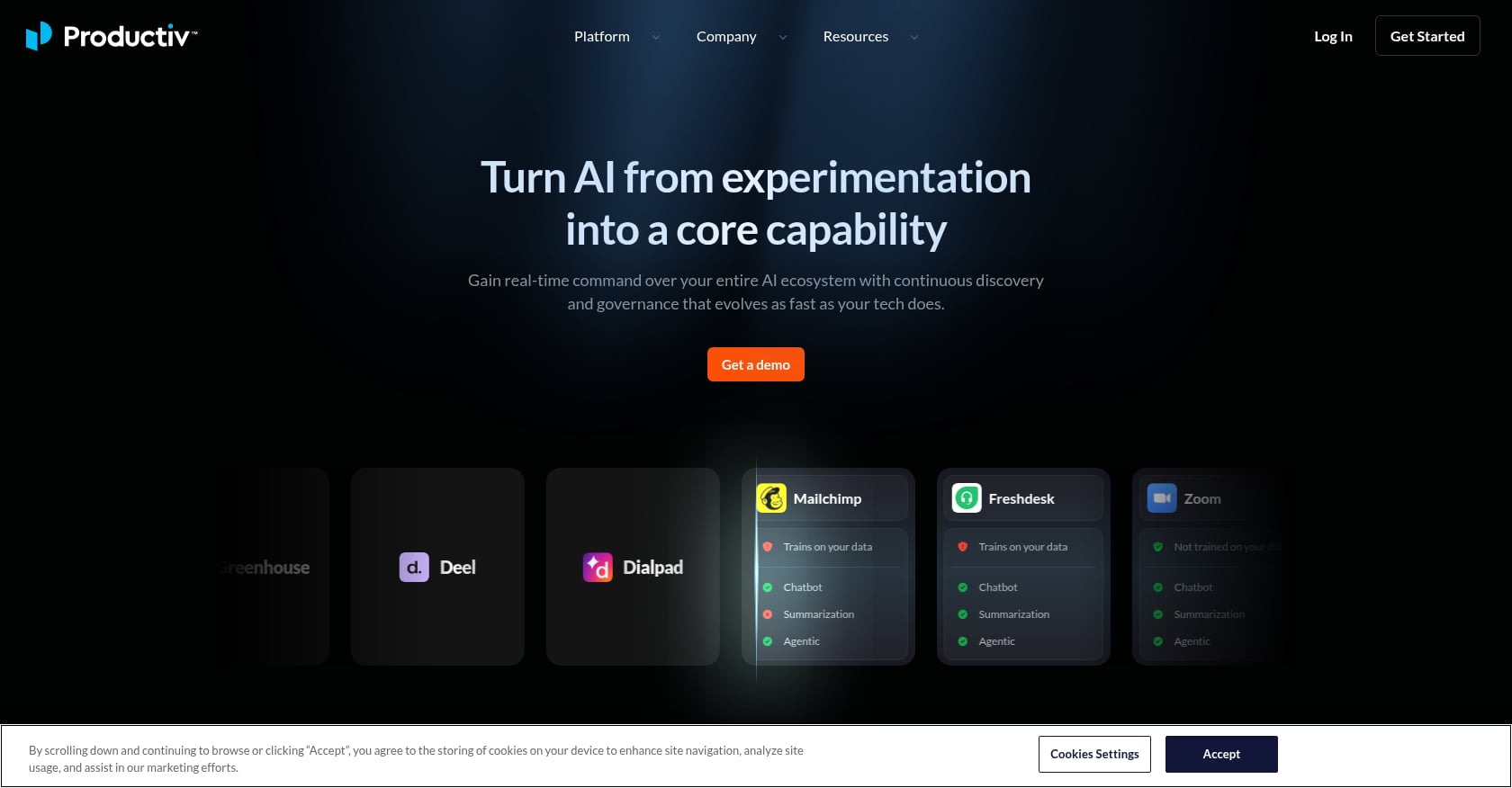
Best for: IT teams and SaaS administrators who need usage analytics and license optimization rather than buying or negotiation services.
Pricing: Custom pricing with a free tier available.
Key features:
Given that companies waste an average of $17 million per year on unused or redundant SaaS according to Zylo’s 2025 SaaS Management Index, a tool focused purely on identifying that waste has clear value. But understanding your software license optimization options means pairing visibility with action.
Tradeoffs:
Best fit: IT teams that already have a procurement process but need deeper data on which licenses to keep, downgrade, or eliminate.
7. Coupa
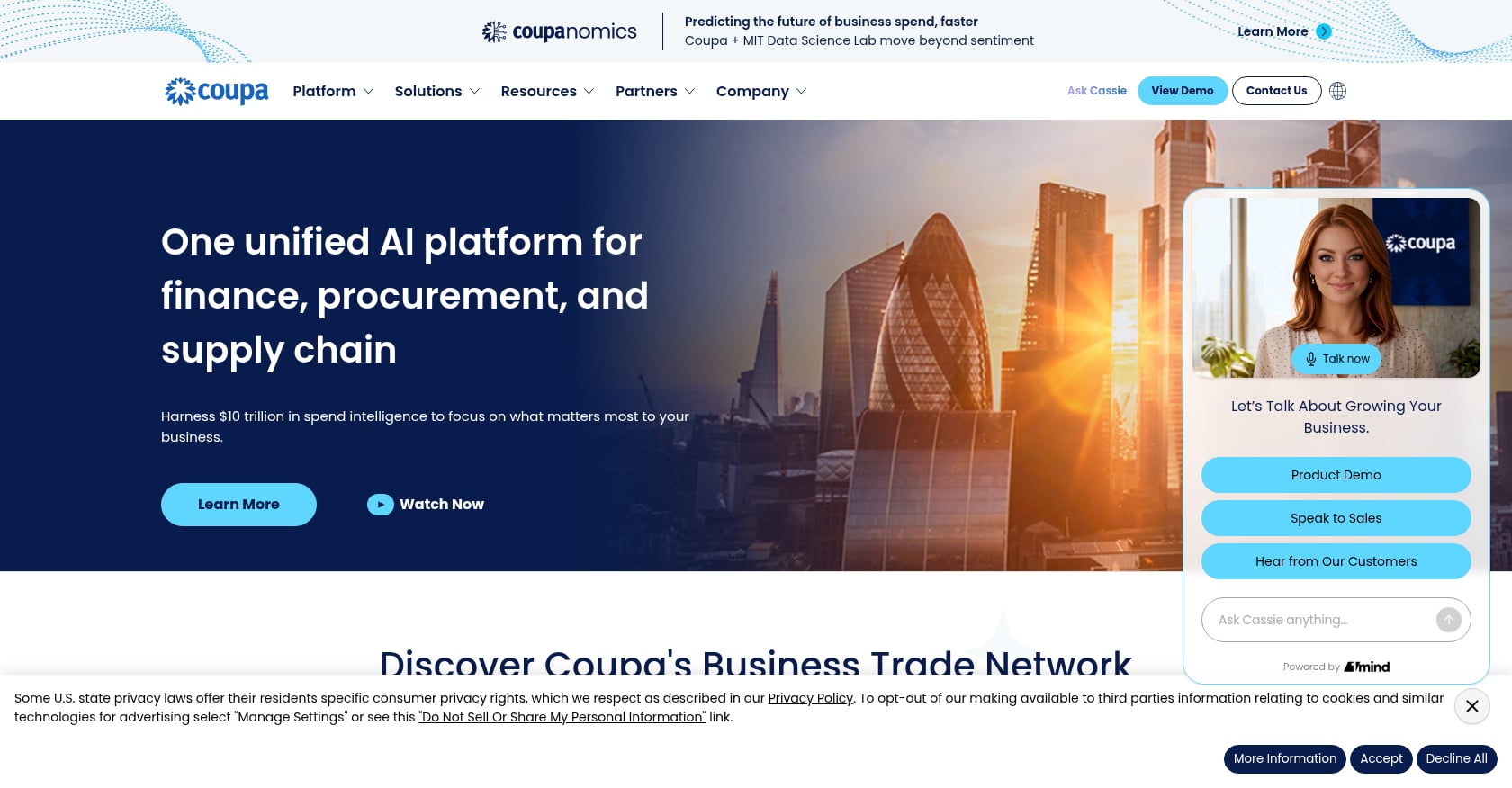
Best for: Large global enterprises that need a comprehensive source-to-pay suite, not just SaaS procurement.
Pricing: Enterprise pricing with lengthy implementation timelines. Not designed for companies that only need SaaS procurement capabilities.
Key features:
Tradeoffs:
Best fit: Global enterprises with existing Coupa deployments or those needing full procure-to-pay automation across all spend categories including direct materials.
How to Choose the Right SaaS Procurement Platform
The right platform depends on four factors: your annual spend, how many categories you need covered, your team’s capacity, and your budget for the tool itself.
If your primary concern is SaaS spend over $500K/year and you have budget for a premium tool, Vertice or Tropic will give you deep benchmarking and managed negotiation support. Both are proven in this specific lane.
If you manage a large, decentralized SaaS portfolio and don’t know what you own yet, start with Zylo or Productiv for visibility. Then layer in a negotiation-focused tool.
If you’re a fast-growing company without a mature procurement function, Spendflo offers an accessible entry point with AI-driven workflows.
If your spend extends well beyond software into telecom, hardware, cloud infrastructure, payments, security, and professional services, then a SaaS-only platform will leave significant savings on the table. This is where Varisource’s procurement approach differs fundamentally: 100+ categories with no upfront cost means you can capture savings across your entire indirect spend through a single program.
Companies that start renewal conversations at least 90 days before their opt-out date save significantly more money. Whatever platform you choose, make sure it includes automated renewal reminders. For a deeper look at the complete renewal playbook, see this guide on SaaS renewal negotiation.
Why Category Breadth Matters More Than SaaS Depth
Here’s the blind spot in most SaaS procurement platform comparisons: they only compare SaaS procurement to SaaS procurement. But large enterprises manage 125 to 200 SaaS applications alongside telecom contracts, cloud infrastructure bills, hardware leases, payment processing fees, insurance policies, and consulting agreements.
A platform that saves you 20% on software but ignores the other half of your indirect spend isn’t solving the full problem. You end up managing multiple disconnected systems, each with its own contracts, benchmarks, and negotiation timelines.
This fragmentation is exactly why a broader category management approach outperforms point solutions. When one platform covers SaaS, cloud, telecom, hardware, payments, and professional services with a single dataset and service team, the operational complexity drops significantly while total savings increase.
The “AI tax” makes this even more urgent. With vendors embedding GenAI features into standard SaaS offerings and raising prices accordingly, procurement teams need benchmark data that reflects these new pricing dynamics across every category, not just software.
Frequently Asked Questions
What does a SaaS procurement platform cost?
Pricing varies widely. Tropic starts around $14,500/year. Vertice (including Vendr) starts at $35,000/year with tiers reaching $120,000+. Zylo and Spendflo use custom pricing that isn’t publicly disclosed. Varisource takes a different approach with no upfront cost and a shared savings model, meaning you pay only when savings are realized. The difference between cost savings and cost avoidance matters here, as some platforms count both in their ROI claims.
How much can a SaaS procurement platform save?
Most platforms claim 20 to 30% savings on software spend. Vertice reports 20% average savings. Tropic delivered $85 million in total customer savings in 2025. Varisource reports a 15% average margin lift across all indirect spend categories, not limited to SaaS. Actual results depend on your current pricing, contract terms, and how much leverage the platform’s benchmark data provides.
What’s the difference between SaaS management and SaaS procurement?
SaaS management focuses on visibility: discovering what applications your company uses, tracking license utilization, and identifying redundancy. Zylo and Productiv lean heavily into this. SaaS procurement focuses on buying: negotiating better prices, managing renewals, and running approval workflows. Tropic and Vertice are stronger here. Some platforms try to do both, but most are better at one than the other.
Do I need a dedicated procurement team to use these tools?
Not necessarily. Managed service models (Varisource, Vertice, Tropic) provide human buyers who handle negotiations on your behalf. This works well for IT teams or finance departments that don’t have procurement specialists. Self-serve platforms like Zylo and Productiv require more internal effort but give you direct control over the process.
Is it worth paying $35,000+ per year for a SaaS procurement platform?
That depends on your SaaS spend. If your company spends $5 million or more on software annually, a 20% savings would yield $1 million, making a $35,000 to $80,000 annual platform fee a clear win. For smaller spend levels, the math is tighter. Platforms with no upfront cost (like Varisource’s shared savings model) eliminate this risk entirely, since you only pay when the savings are confirmed.
Should I choose a SaaS-only platform or one with broader coverage?
If software represents 90%+ of your indirect spend and you have separate processes for everything else, a SaaS-focused platform may suffice. But most companies also spend heavily on cloud infrastructure, telecom, hardware, and professional services. Managing those through separate tools creates fragmentation and missed savings. A broader platform reduces the number of systems you juggle while capturing savings across more categories.
Ready to see what you could save? Request a free Savings Estimate Report from Varisource, typically delivered within 48 hours, covering your full indirect spend across 100+ categories.
About the Author
.jpeg)
Victor Hou
Victor Hou is the founder of Varisource, the first ever Savings Automation Platform that automates Savings for Your Business. Victor helps companies access discounts, rebates, benchmark data, savings for renewals and new purchases across 100+ spend categories automatically to increase your company's margins and equity value by at least 15-20%. Victor is active and passionate about using AI + automation to help your business save time, money and run more efficiently.
%201.svg)

Varisource’s Savings Automation Platform guarantees savings and maximized leverage on every dollar spend across 100+ spend categories


