Indirect vs Direct Spend: Key Differences (2026 Guide)

Ever feel like your company’s spending is a tangled mess? You’re not alone. A huge part of getting control is understanding the fundamental difference between two big buckets of spending: indirect vs direct spend. In short, direct spend is the money spent on goods and services that become part of your final product, like raw materials. Indirect spend is everything your company buys just to keep the lights on, like software, office supplies, and marketing services.
At a Glance: Direct vs. Indirect Spend
- Direct Spend: Any expenditure on goods or services directly incorporated into your final product (e.g., raw materials, hardware components, outsourced manufacturing). It is tracked under Cost of Goods Sold (COGS).
- Indirect Spend: All expenses required to maintain business operations (e.g., office rent, SaaS subscriptions, marketing, utilities). It is tracked under Operating Expenses (OPEX).
- The Key Difference: Direct spend drives revenue production, while indirect spend supports operational maintenance.
They might both involve buying things, but they are worlds apart in how they impact the business and how you should manage them. Let’s break down the A to Z of indirect vs direct spend, so you can stop leaving money on the table and start making smarter procurement decisions.
What Is Direct Spend?
Direct spend is all the money your company spends on goods and services that are directly incorporated into your final product. Think of it as the ingredients in a recipe. These purchases, also called direct procurement, show up in your “cost of goods sold” (COGS) on the financial statements.
For a car company, direct spend includes the steel for the car’s body, the rubber for its tires, and the electronic components for its infotainment system. Because these items are essential to what you sell, managing direct spend is critical for optimizing production costs, ensuring a steady supply of materials, and maintaining product quality. Getting this right has a huge impact on your bottom line.
What Is Indirect Spend?

Indirect spend, on the other hand, is everything your company buys to keep the lights on and the operations running. These items don’t end up in the final product but are essential for day to day activities. We’re talking about office supplies, IT services, marketing campaigns, employee travel, and even the coffee in the breakroom.
While these costs don’t appear in COGS, they are significant. For many companies, indirect spend can account for around 50% of all purchases. A car company’s indirect spend covers things like employee laptops, the rent for its factories, and the services of the marketing agency promoting its new electric vehicle. It’s the engine that runs the business, even if it’s not part of the car itself.
What’s the Real Difference in Direct vs Indirect Procurement?
The core difference between direct and indirect procurement is the purpose of the purchase. Direct procurement is for items that become part of what you sell, directly contributing to revenue. Indirect procurement is for items that support your internal operations.
This distinction means they require completely different management strategies. Direct spend typically involves a smaller number of suppliers with high volume orders planned far in advance. Indirect spend often involves a huge number of suppliers and frequent, low value purchases made by various departments across the company. Understanding the nuances of indirect vs direct spend helps you tailor your approach for maximum efficiency and savings.
Feature
Direct Spend
Indirect Spend
Primary Goal
Production Continuity & Quality
Cost Optimization & Efficiency
Accounting
Cost of Goods Sold (COGS)
Operating Expenses (OPEX)
Supplier Base
Small, Strategic, Long-term
Large, Fragmented, Transactional
Demand Driver
Production Schedule (MRP)
Ad-hoc Internal Needs
Inventory
High (Safety Stock)
Low (Just-in-Time / Reactive)
Key Risk
Factory/Production Shutdown
Maverick Spend / Waste
How Organizational Setups Differ for Direct vs Indirect Spend
Because the skill sets are so different, many companies structure their procurement teams separately for direct and indirect spend.
The direct procurement team is often embedded within the supply chain or operations department, laser focused on production. Indirect procurement might be a centralized team under finance, but the actual purchasing is often decentralized. For example, the marketing team might hire its own ad agency, and the IT department might subscribe to new software. This means multiple teams initiate indirect spend, which can make it tricky to control. To create alignment, some organizations have a Chief Procurement Officer who oversees both groups to ensure a holistic strategy.
How Purchase Requirements Are Defined
The way purchase needs are identified also varies greatly.
In direct procurement, requirements are driven by production plans and demand forecasts. If a company plans to manufacture 10,000 widgets next quarter, the procurement team knows exactly how much raw material to order and when. It’s a scheduled, forecast driven cycle that often uses formal planning tools like Material Requirements Planning (MRP).
In indirect procurement, requirements are usually driven by the ad hoc needs of internal teams. The HR department might suddenly need new recruiting software, or the office manager realizes it’s time to restock printer paper. It’s much more on demand and unpredictable, requiring a flexible and responsive procurement process.
Performance Metrics: Measuring Success Differently
You can’t use the same yardstick to measure success for both types of spend. The key performance indicators (KPIs) for indirect vs direct spend reflect their unique goals.
Direct Procurement KPIs
For direct procurement, metrics are all about keeping production running smoothly. Common KPIs include:
- On time delivery rate: A rate of 95% or higher is often the target to prevent production delays.
- Supplier quality: This is measured by things like defect rates, as poor quality inputs can ruin a final product.
- Inventory turnover: This measures how efficiently raw materials are being used.
Indirect Procurement KPIs
For indirect procurement, the focus is on cost savings and efficiency. Key metrics include:
- Cost savings: Teams are often measured on how much they reduce spending compared to previous years or budgets.
- Spend under management: This is the percentage of total indirect spend that flows through approved procurement channels. Shockingly, about two thirds of procurement organizations influence less than 70% of their indirect spending.
- Policy compliance: This tracks how often employees use preferred suppliers and follow purchasing rules. For a deeper dive on measuring impact, see cost savings vs cost avoidance.
Forecasting and Inventory Management Differences
The approaches to forecasting and managing inventory for indirect vs direct spend are night and day.
With direct spend, precise forecasting is non negotiable. A shortage of a critical component can shut down a factory. Companies often maintain safety stocks and use sophisticated tools to track inventory in real time, reordering well in advance to prevent any stockouts.
With indirect spend, inventory management is more reactive and lean. Companies typically take an “order as needed” approach for things like office supplies. Instead of keeping a large warehouse of pens and paper, departments simply request more when they run low. The goal is to minimize carrying excess stock of items that don’t generate revenue.
Technology Requirements for Indirect vs Direct Spend
The right tools for the job are different for each spend category.
Direct procurement technology is usually tightly integrated with supply chain systems like ERP and Manufacturing Execution Systems (MES). The focus is on aligning purchasing with production schedules and tracking inventory from order to use.
Indirect procurement technology, on the other hand, needs to be incredibly user friendly and accessible to everyone in the company. E-procurement platforms with online catalogs and automated approval workflows make it easy for non procurement staff to buy what they need while staying compliant. Analytics are also key for indirect tech, helping to provide visibility into spending patterns and identify savings opportunities.
How Supplier Relationships Compare
Supplier relationship management is another major point of difference when looking at indirect vs direct spend.
Direct procurement involves building deep, long term strategic partnerships with a small number of critical suppliers. These relationships are collaborative, often involving shared forecasts and joint efforts to improve quality and reduce costs. Trust and reliability are everything.
Indirect procurement usually deals with a much larger, more fragmented supplier base. The relationships tend to be more transactional, with a focus on getting the best price and service. For software categories specifically, see SaaS vendor management best practices.
Managing Procurement Teams for Each Spend Type
The people on direct and indirect teams have different roles and require different management styles.
Direct procurement teams are often composed of category specialists who have deep knowledge of specific markets, like metals or electronics. They are managed on their ability to ensure supply continuity and hit cost targets. Risk management and supplier development are key focus areas.
Indirect procurement teams act more like internal consultants, serving various departments across the business. They need to be great negotiators and influencers, helping stakeholders find the right suppliers and get the best value. They are typically managed on the cost savings they generate and their success in driving process compliance.
The Difference in Priorities for Indirect vs Direct Spend
Because of its direct link to revenue, direct spend is almost always treated as the higher priority. A company can’t make its product without the necessary raw materials, so ensuring supply is mission critical. If a critical part is delayed, a company might even pay a premium to expedite shipping because stopping production is not an option.
Indirect spend, sometimes viewed as “overhead,” has historically been a lower priority. However, that mindset is changing as companies realize how much money can be saved through strategic indirect spend management. The primary goal here is cost optimization, or finding savings without disrupting business operations. While a direct spend mantra is “never let production stop,” an indirect spend mantra might be “save money and reduce waste.”
The Bottom Line: How Spend Impact Varies
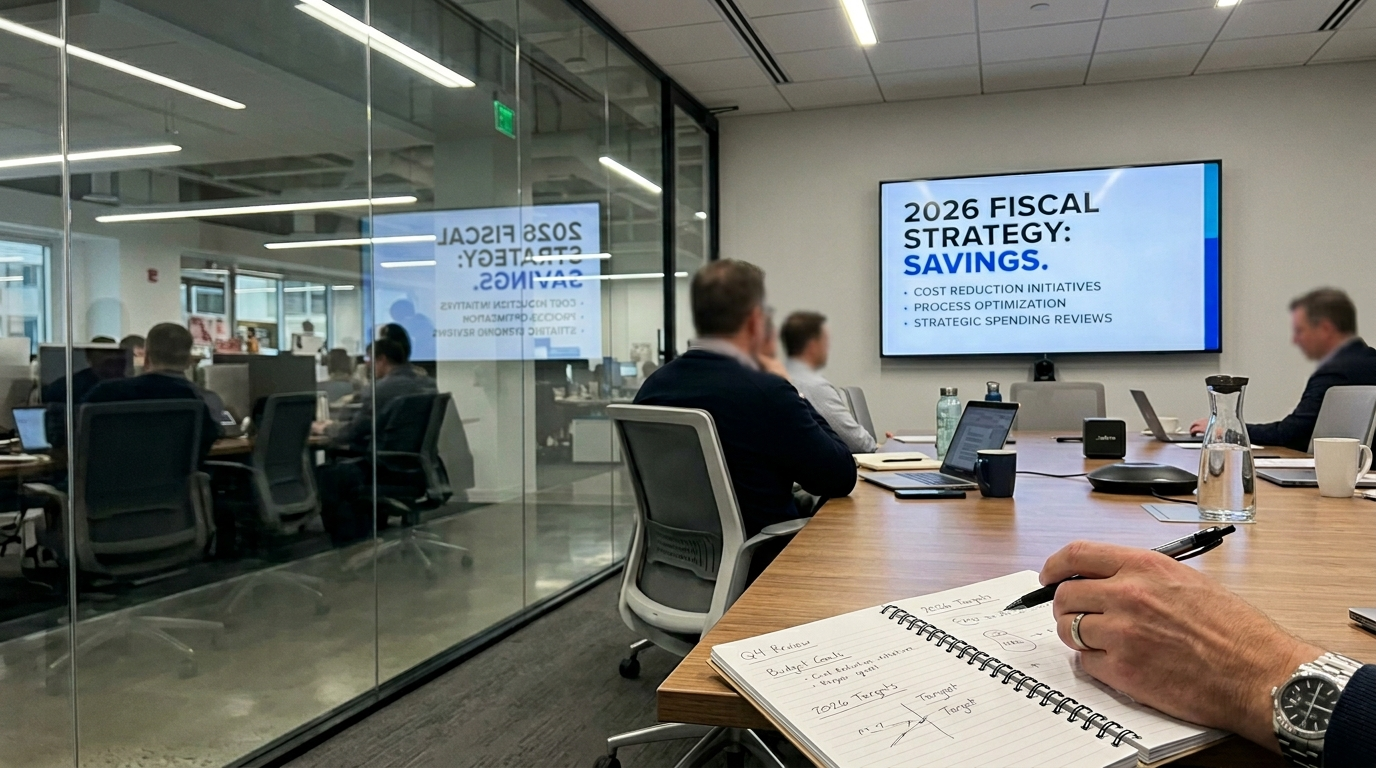
While both impact the P&L, they do so differently. Reducing Direct Spend by 5% directly increases your gross margin. Reducing Indirect Spend by 5% increases your EBITDA and net profit. In 2026, with the rise of AI-driven procurement, companies are focusing on indirect spend as "low-hanging fruit" because it is often less optimized than the tightly managed supply chain side.
Common Challenges in Direct Procurement
Managing direct spend is a high stakes game with unique challenges:
- Supply chain disruptions: A single supplier failure or a global event like the 2021 semiconductor shortage can halt production.
- Quality control: Defective materials can lead to product recalls and damage your brand’s reputation.
- Cost volatility: Prices for commodities like steel and oil can fluctuate wildly, making budget management difficult.
- Supplier dependency: Relying on a single supplier for a critical component creates significant risk.
Common Challenges in Indirect Procurement
The challenges in indirect procurement are more about control and visibility:
- Maverick spend: This is when employees make purchases outside of approved channels. One study found that 67% of companies believe employees’ disregard for policy is a leading cause of maverick spend.
- Lack of visibility: With purchases happening across dozens of departments, it’s hard to get a clear picture of who is buying what, which makes it nearly impossible to negotiate volume discounts.
- Supplier proliferation: Managing hundreds of different suppliers for small, infrequent purchases is an administrative nightmare.
- Stakeholder engagement: Getting everyone in the company to follow procurement processes requires constant communication and change management.
Selecting the Right Software for Indirect vs Direct Procurement
Choosing the right software is key to managing both spend types effectively.
For direct spend, look for tools with strong supply chain integration, supplier performance tracking, and inventory management capabilities. Integration with your ERP system is often a must have.
For indirect spend, prioritize user friendly e-procurement platforms. An intuitive, Amazon like shopping experience will drive adoption and compliance. Key features include digital catalogs, automated approval workflows, and robust spend analytics.
Some companies opt for a single, unified platform, while others use specialized, best of breed tools for each. Whatever you choose, it’s a good idea to involve both your direct and indirect teams in the selection process to ensure the solution meets everyone’s needs. You might also consider solutions that augment your existing systems. For example, Varisource uses AI agents to automatically find savings opportunities in your indirect spend, working alongside your current team and tools. To see what’s possible, you can get a free savings estimate from Varisource.
Examples of Direct Spend Categories
Direct spend categories are the building blocks of your products. Common examples include:
- Raw materials: Steel for cars, cotton for t shirts, flour for bread.
- Components: Microchips for laptops, engines for airplanes, buttons for jackets.
- Packaging: The bottles for soda, the boxes for shoes, the labels on jars.
- Outsourced manufacturing: Paying a contractor to assemble a specific part of your product.
Examples of Indirect Spend Categories
Indirect spend is everything else needed to run the business. This massive category includes:
- IT and Telecom: Software subscriptions, laptops, cloud hosting services, and phone bills.
- Facilities: Office rent, utilities, and janitorial services.
- Professional Services: Fees for lawyers, accountants, and marketing agencies.
- Travel: Flights, hotels, and rental cars for business trips.
- Office Supplies: Everything from pens and paper to coffee and snacks. Explore all savings categories to see coverage across IT, cloud, telecom, travel, and more.
Why Differentiating Indirect vs Direct Spend Matters
Clearly separating direct and indirect spend is fundamental to effective spend management. It allows you to apply the right strategies, people, and technology to each. Direct spend management protects your revenue by ensuring production never stops. Indirect spend management boosts your profitability by cutting operational waste.
Companies that get this right often find significant cost savings. In fact, organizations that strategically manage their indirect spend can realize cost reductions of 20% to 25% in those categories. By distinguishing between indirect vs direct spend, you can ensure no dollar is left unmanaged. This balanced approach supports both operational excellence and cost leadership, giving you a powerful competitive edge.
If you suspect your indirect spend is an untapped source of savings, you’re probably right. Varisource specializes in helping companies uncover and capture these savings without any upfront cost. See how much you could be saving with a free estimate and turn your operational expenses into a source of value.
Frequently Asked Questions (FAQ)
What is the main difference between direct and indirect spend?
The main difference is purpose. Direct spend is for goods and services that become part of the final product sold to customers. Indirect spend is for goods and services needed to run the business itself.
Is salary considered direct or indirect spend?
It can be both. The salary of a factory worker building a product is typically a direct cost (part of COGS). The salary of an HR manager or an accountant is an indirect cost because they support the overall business, not a specific product.
Why is it important to manage indirect vs direct spend differently?
They have different impacts, risks, and supplier landscapes. Direct spend management focuses on supply continuity and quality to protect revenue. Indirect spend management focuses on cost reduction and process efficiency to improve profitability. Using the wrong approach for either can lead to production stoppages or wasteful spending.
Can a single purchase be both direct and indirect?
This is very rare. An item’s classification is based on its end use. A computer bought for an employee to use is indirect spend. If that same model of computer is embedded inside a piece of medical equipment that the company sells, it becomes direct spend.
Which type of spend is easier to manage?
Neither is “easy,” but they present different challenges. Direct spend can feel more straightforward because it’s tied to a predictable production schedule, but the risks of failure are much higher. Indirect spend is often called the “long tail” of spend because it’s fragmented across many small purchases, making it incredibly difficult to control without the right systems.
How can I get better control over my company’s indirect spend?
Start by gaining visibility. Use technology to centralize purchasing and track who is buying what. Develop clear purchasing policies and make them easy to follow. Consolidate your suppliers to leverage volume discounts. You can also partner with specialists like Varisource who use technology and expertise to find savings across hundreds of indirect categories.
Is freight a direct or indirect cost?
It depends. Freight costs for shipping raw materials to your factory (inbound logistics) are typically considered a direct cost. Freight costs for shipping finished products to warehouses or customers (outbound logistics) are often treated as an indirect cost or a selling, general, and administrative (SG&A) expense.
How do I start analyzing my indirect vs direct spend?
Begin by categorizing your historical spend data. Work with your finance and accounts payable teams to pull purchase order and invoice data. Classify each purchase as either direct or indirect, and then break it down into more specific categories (e.g., IT hardware, marketing services). This spend analysis will give you a clear map of where your money is going and highlight the biggest opportunities for improvement.
About the Author
.jpeg)
Victor Hou
Victor Hou is the founder of Varisource, the first ever Savings Automation Platform that automates Savings for Your Business. Victor helps companies access discounts, rebates, benchmark data, savings for renewals and new purchases across 100+ spend categories automatically to increase your company's margins and equity value by at least 15-20%. Victor is active and passionate about using AI + automation to help your business save time, money and run more efficiently.
%201.svg)

Varisource’s Savings Automation Platform guarantees savings and maximized leverage on every dollar spend across 100+ spend categories


